In Hollywood today, perhaps the most realistic statement is this: whoever holds the rights to a world-building IP that players have loved for over a decade holds the ticket to the next wave of film and television projects.
This is why Xbox is being discussed by international media again—and the focus is far beyond just "another game is being adapted into a movie." The truly significant shift is that game adaptations are no longer just occasional side projects; they are being treated by platform holders as an increasingly clear and strategic business roadmap.
According to Entertainment Weekly, Xbox currently has over ten film and television adaptation projects in various stages of development. The latest card to be revealed is a live-action film based on Rare's open-world pirate adventure game, Sea of Thieves. The project will be developed in collaboration with Hisako Films, and Marvel director Destin Daniel Cretton will participate in the production through his company, though a director and screenwriter have yet to be officially confirmed.
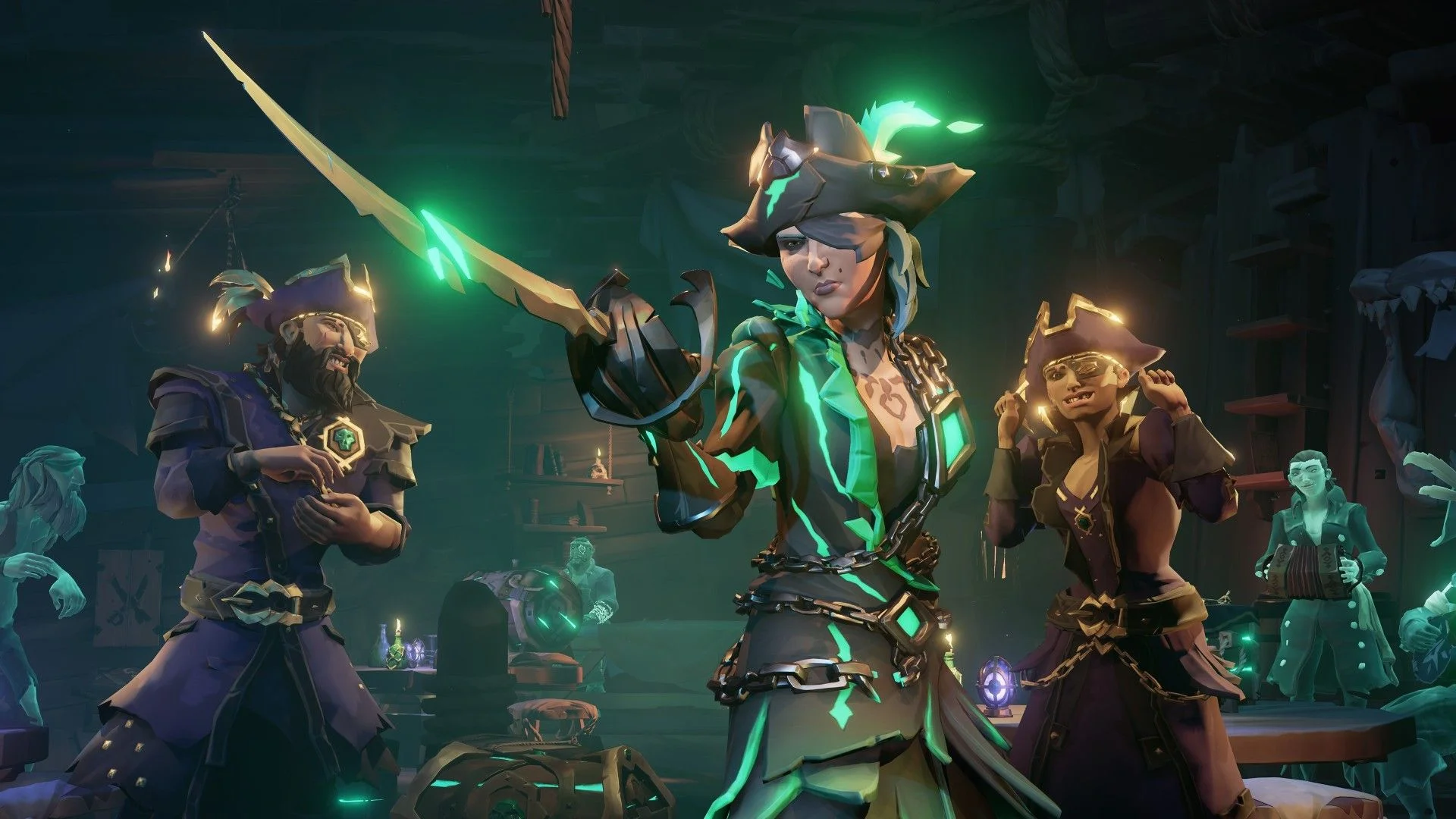
What makes this interesting is that Sea of Thieves is not the type of game that immediately screams "movie adaptation." It lacks a fixed protagonist and does not rely on a linear narrative to drive players to a conclusion. Players take on the roles of pirates, sailing solo or in crews, hunting for treasure, fighting skeletons, encountering sea monsters, and forming alliances or betraying one another. Its true core is not a specific hero, but the chaos and camaraderie created collectively by players on the high seas.
This is also the challenge mentioned by Xbox executive Matt Booty. He believes that the true protagonists of Sea of Thieves are the players and the community. In other words, if the film simply puts a few characters in pirate costumes and follows a treasure-hunting plot, it will likely only capture the surface; what it truly needs to grasp is that social sensation of "sailing with friends until things spiral out of control."
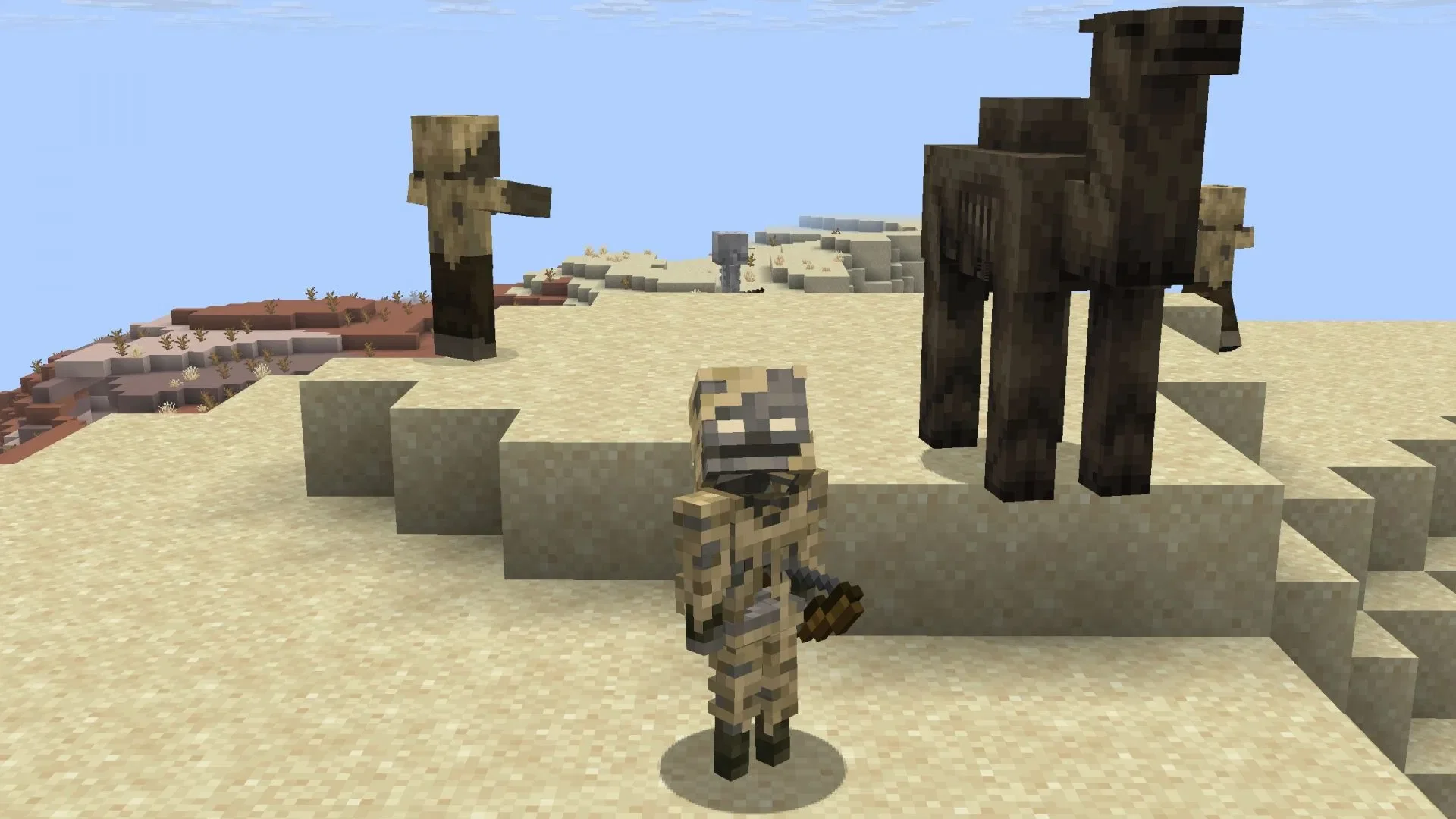
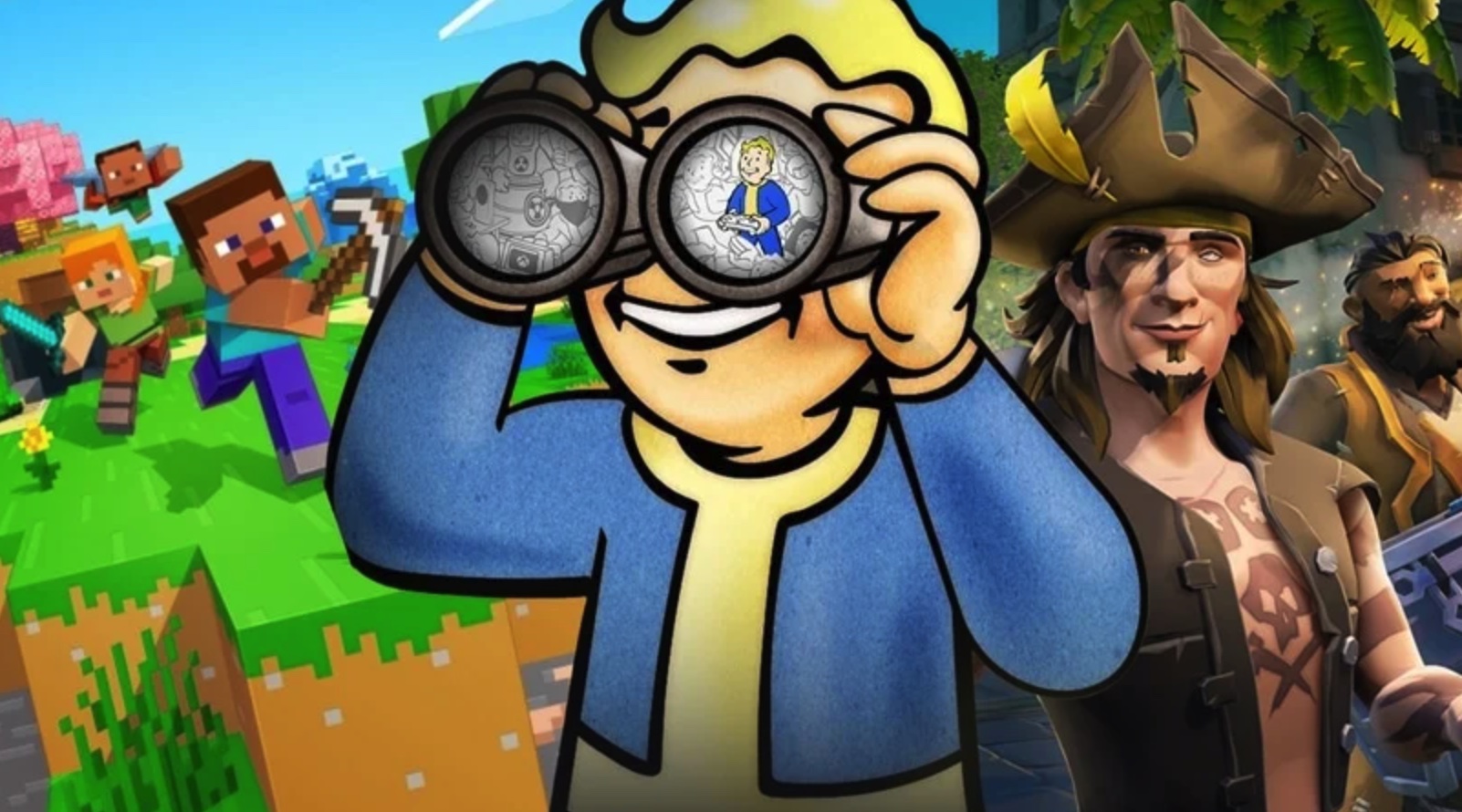
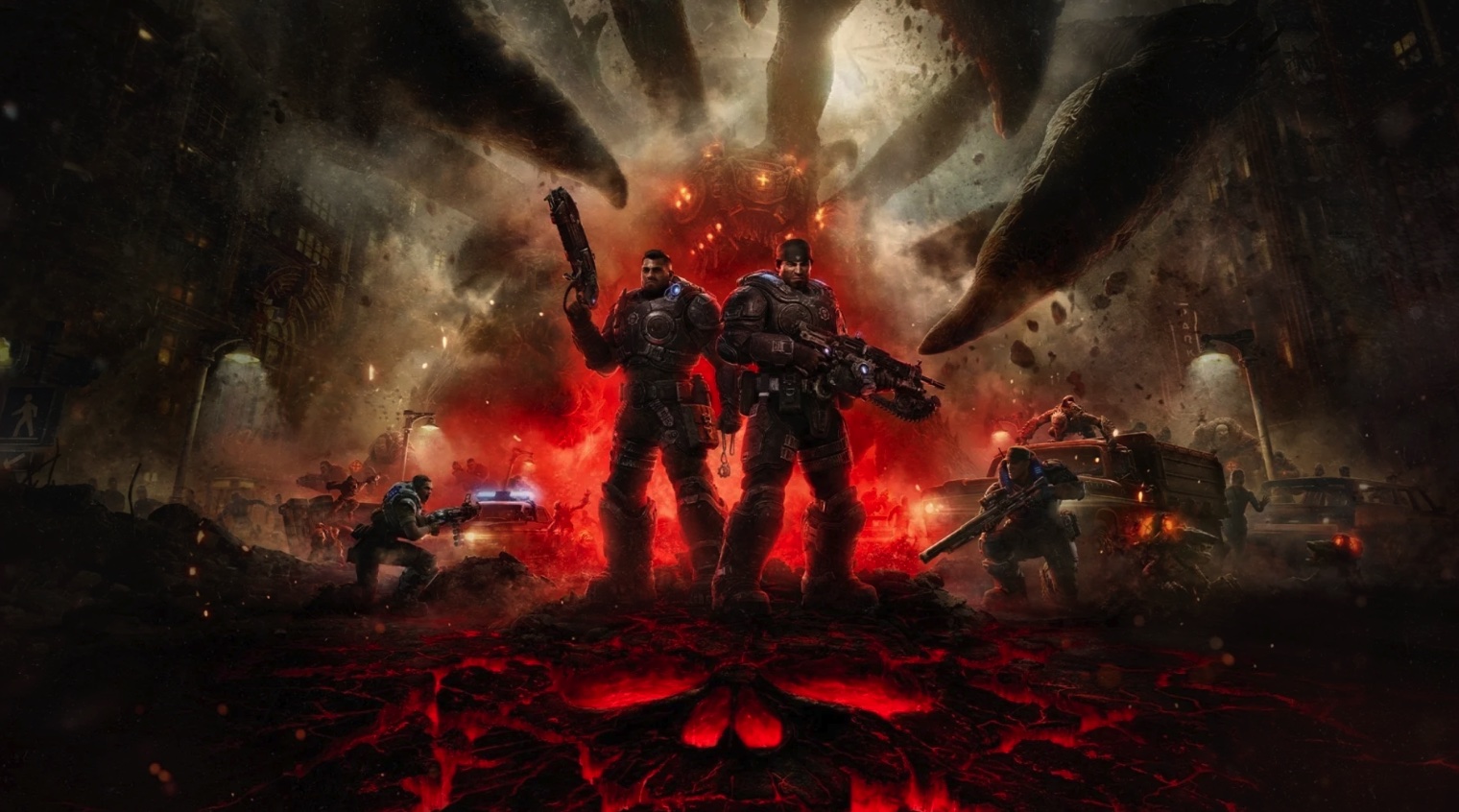
The issue is that Xbox is clearly not satisfied with just testing the waters with Sea of Thieves. Projects already announced or mentioned include Warner Bros.' A Minecraft Movie Squared, Netflix's live-action film and animated series for Gears of War, a Netflix animated series for Minecraft, an Amazon live-action series for Wolfenstein, as well as the continued expansion of the Fallout series universe and the Fallout Shelter live-action competition show.
When you line up these titles, you realize this is no longer a question of "which game happens to be suitable for adaptation," but rather Xbox re-evaluating its asset library: which worlds are expansive enough, which characters are iconic enough, which communities already have an inherent emotional foundation, and which names can get streaming services and film studios to the table.
In the past, game adaptations were often mocked because many projects used the game's name merely as a gimmick. Audiences would enter the theater for a familiar brand, only to be met with a cookie-cutter story that completely misunderstood the spirit of the game. But the tide has turned in recent years. A Minecraft Movie became one of the top five highest-grossing films globally in 2025, and the Fallout series on Prime Video became the second most-watched series in the platform's history. Capital has certainly read the signal: it’s not that players have become easier to fool, but that game worlds themselves have become large enough to be consumed by a wider audience.
Asha Sharma's perspective is also quite direct. She believes that great games are culture in their own right, and culture naturally finds its way into the entertainment industry. She even groups the success of the Fallout series, the box office performance of A Minecraft Movie, and the commercial scale of Call of Duty together. The implication is clear: Xbox doesn't just want to sell consoles, subscriptions, and games; it wants these IPs to grow a second life in the film and television sector.
For players, this is naturally exciting. Who wouldn't want to see Delta Squad from Gears of War display their heavy, brotherly bond in a live-action film? Who wouldn't want to see if the dystopian war imagination of Wolfenstein can capture true tension when adapted into a series? And who isn't curious about whether the Minecraft animation will lean towards children's content, adventure, or something closer to the creative wonders found in the player community?
However, the other side of the coin cannot be ignored. When game IPs are aggressively pushed into Hollywood, the greatest fear isn't a failed adaptation, but that platforms will slowly come to view the emotions accumulated by communities over years as mere raw material for mass production. Players love a game not because it is suitable for a movie, but because it provided them with an irreplaceable experience. If the film adaptation is just a familiar name slapped on the outside while the core spirit is hollowed out, the greater the hype, the harsher the backlash.
Halo serves as a prime reminder. It was adapted into a series but failed to move forward after two seasons. Later, when the series moved to Netflix, it gained significant attention, proving that the appeal of legacy IPs remains; however, appeal is not a "get out of jail free" card. Audiences and players will ultimately ask: Do you actually understand why this world matters?
Therefore, the real point of interest in this wave of Xbox adaptations is not whether they can assemble a list of a dozen titles, but whether they can acknowledge one thing: games are not a raw material warehouse for the film industry. Games have their own pacing, communities, interactive relationships, and methods of immersion. The hardest part of moving them to film and television is not recreating costumes, monsters, weapons, or dialogue, but finding the reason that makes players willing to invest hundreds of hours.
If the Sea of Thieves live-action film can truly capture the sense of cooperation within the player community, it might become another surprise; if it is left with nothing but pirates, treasure chests, and monsters, then even the biggest name won't be enough to sustain it. Xbox certainly has a lot of cards in its hand, but having many cards doesn't guarantee a winning game. This is the most brutal aspect of game adaptations: you inherit existing popularity, but you also inherit the most discerning audience.
Ultimately, Hollywood is finally willing to take games seriously—the times have indeed changed. But what players truly care about is not whether their favorite works are being made into movies, but whether, once adapted, they still resemble the thing they fell in love with in the first place. Do you think Xbox has finally found the right direction for game adaptations, or are they simply turning player nostalgia into the next list of film and television development projects?