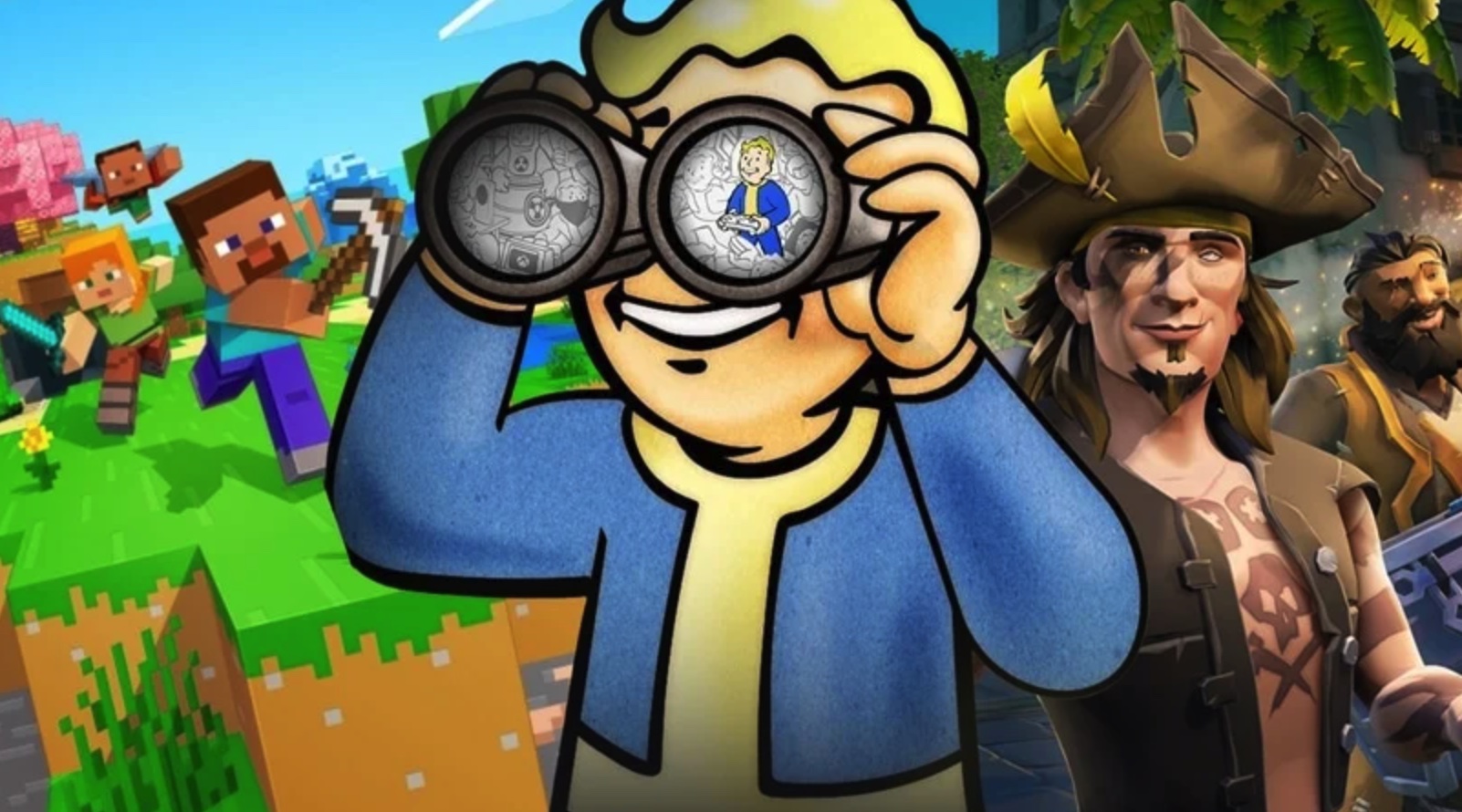
Have Minecraft Players Finally Found a Possible Reason for "Fewer Major Updates"? XBOX Restructuring Puts Mojang at the Core
Over the past year or two, the update cadence of Minecraft has shifted significantly. Instead of bundling a massive amount of content into a single annual major update as it once did, Mojang has transitioned to releasing "Game Drops" multiple times throughout the year. The official stance is that this rhythm allows players to receive new content more frequently; however, from the community's perspective, while the frequency of updates has increased, the impact of the content in each individual drop often feels underwhelming.
Recent news of a large-scale XBOX restructuring has led many players to revisit a recurring question: Why does such a massive game consistently feel like its recent major updates are "not big enough"? Some in the community argue that the answer may lie not only in Mojang's internal development pace but also in how XBOX invests in Minecraft.
It should be noted that neither Mojang nor XBOX has provided an official confirmation regarding whether "fewer updates" are directly caused by a lack of funding. The following sections, which involve player speculation and media reports, should be viewed with caution.
XBOX Restructuring Puts Minecraft Back in the Spotlight
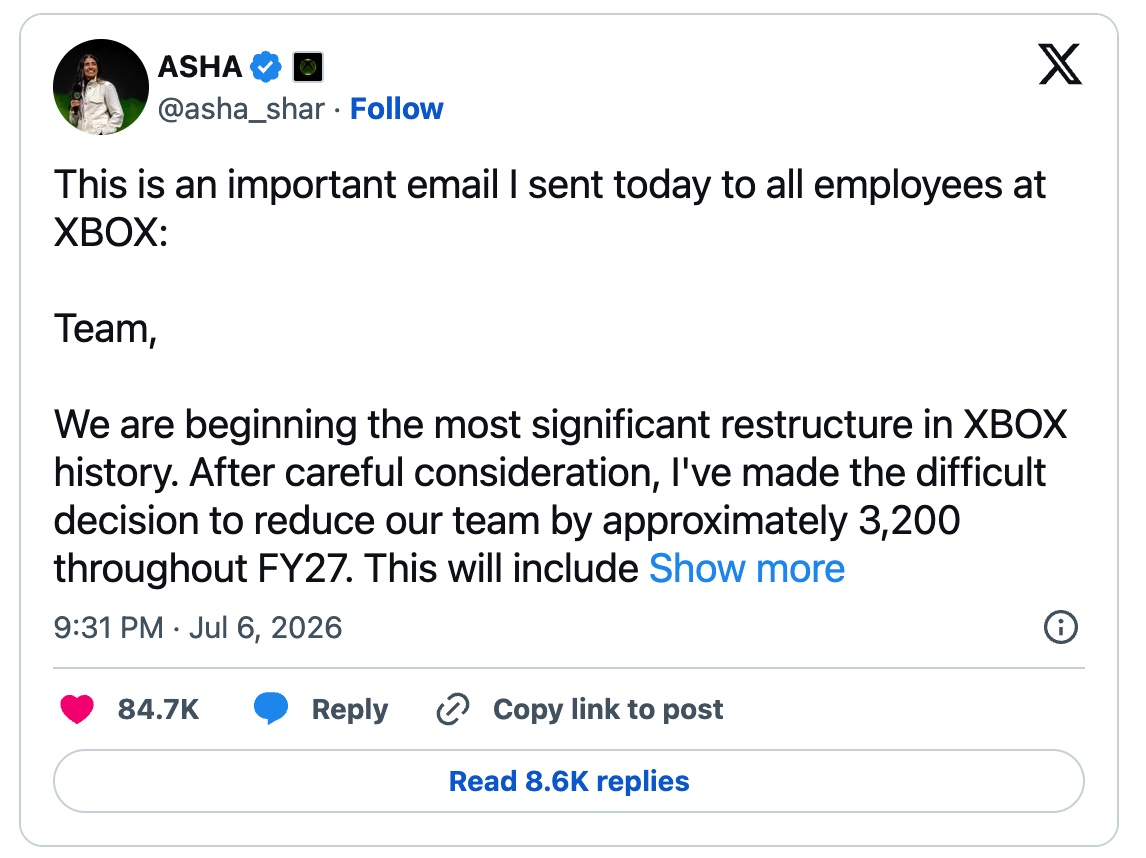
On July 6, 2026, XBOX CEO Asha Sharma published an open letter to employees on XBOX Wire, announcing that XBOX would cut approximately 3,200 positions in fiscal year 2027, with about 1,600 of those roles affected immediately. At the same time, some studios will depart XBOX to pursue new management or ownership arrangements.
In this letter, the point of most interest to Minecraft players is that Mojang and King will now report directly to Sharma. She described these two studios as among the most important platform-level teams within XBOX based on monthly active users, emphasizing their critical value in regional coverage, user demographics, and business differentiation.
This marks a shift in Mojang's position within XBOX. Previously, it functioned more like a studio with long-term, stable operations and immense brand equity; now, it has been explicitly placed at the core of XBOX's post-restructuring vision. For players, this naturally leads to a deduction: if Minecraft has always been one of XBOX's most important assets, why has its content expansion not reflected a commensurate level of investment?
Player Suspicion: Minecraft's Success May Not Be Fully Reinvested into the Game Itself
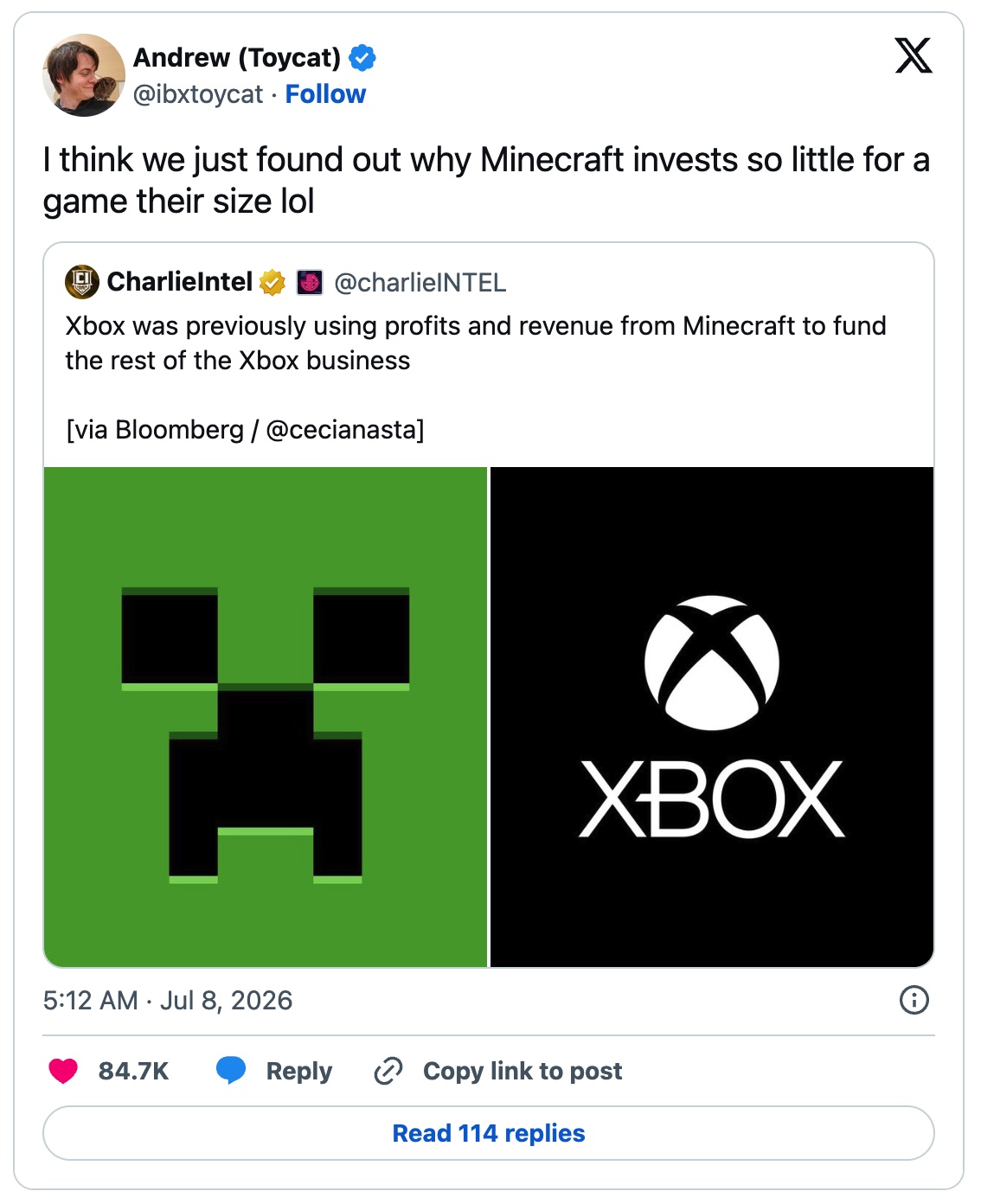
This round of discussion gained real traction after Game File reported that a source familiar with Microsoft's plans indicated that Sharma believes Minecraft has suffered from significant underinvestment in the past. The report also mentioned that for a long time, the success of Minecraft was used more to support other XBOX business units rather than being deeply reinvested into the development of Minecraft itself.
This claim strikes a chord with long-standing community frustrations. Many players do not deny the value of "Game Drops"—new mobs, blocks, and mechanics still provide short-term freshness—but what they truly question is why these updates rarely reach the scale of the "Nether Update" or "Caves & Cliffs," which fundamentally transformed the gameplay experience.
Consequently, some players have linked recent smaller updates to XBOX's resource allocation: if Minecraft's revenue is being used more to prop up the entire XBOX ecosystem, then the long-term R&D resources, content expansion budgets, and platform development investment Mojang receives may not be as substantial as the outside world imagines.
Of course, this remains speculation based on media reports and community observations. What players can see are the "feel" of the updates, the change in official cadence, and the news of corporate restructuring; as for how internal budgets are allocated, it is impossible for outsiders to confirm.
"Game Drops" Were Not a Last-Minute Decision
Based on official information, Mojang's change in update cadence did not happen just in 2026. The official Minecraft website had long stated that the game would transition from one large annual free update to multiple free content drops throughout the year. Officials also noted that the scale of this content would vary, with the goal of allowing players to explore new features more frequently.
In other words, smaller updates do not necessarily equate to "cutbacks." From the development team's perspective, more frequent releases can reduce the risks associated with massive, monolithic versions and allow different teams to advance various projects in parallel. Long-term initiatives like visual refreshes, multiplayer experiences, platform compatibility, and community features do not always manifest immediately as a batch of new biomes or dimensions.
The problem is that player expectations for Minecraft are incredibly high. As one of the world's most successful sandbox games, it is not just a survival-building game; it is a continuously operating creative platform. Players want to see an End Update, dimensions related to Ancient Cities, more biome overhauls, or new systems that change the adventure flow. There is an inherent gap between these expectations and the "small content, frequent release" cadence.
Why Is the Community Pointing Fingers at XBOX?
The reason is simple: Minecraft is just too big.
It remains one of the most influential games in the world, with sales, monthly active users, creator ecosystems, and cross-platform reach at the top of the industry. Relevant statistical websites estimate that in 2026, Minecraft still has around 200 million monthly active users. While there are differences between various statistical methodologies, its long-term popularity is beyond doubt.
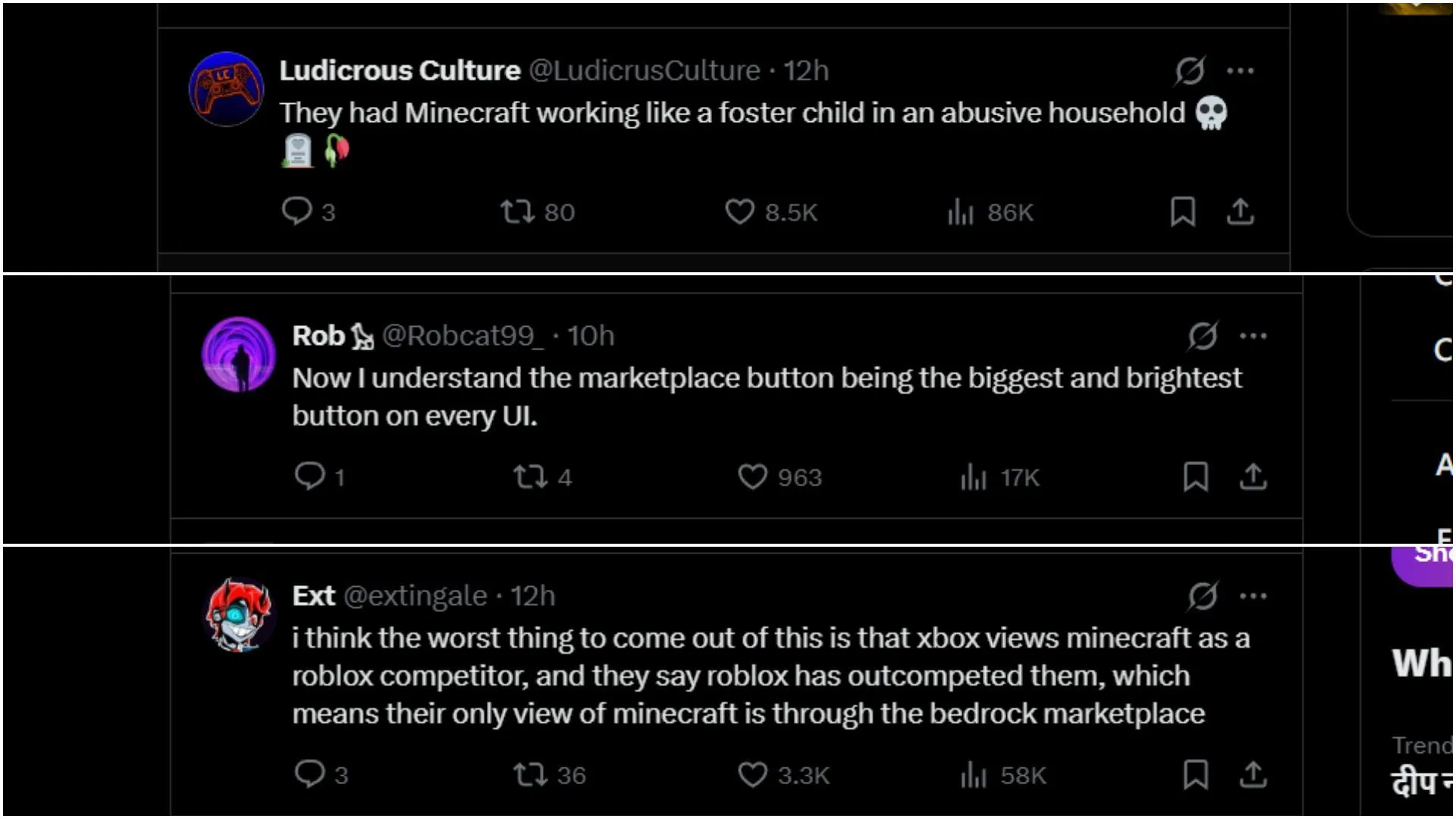
Against this backdrop, players naturally expect Mojang to receive commensurate R&D investment. Yet the reality is that many updates feel more like "DLC packs" rather than "era-defining versions." Thus, when the outside world sees XBOX restructuring, studio layoffs, Mojang reporting directly to the CEO, and media reports about "underinvestment," it is easy for the community to connect these dots.
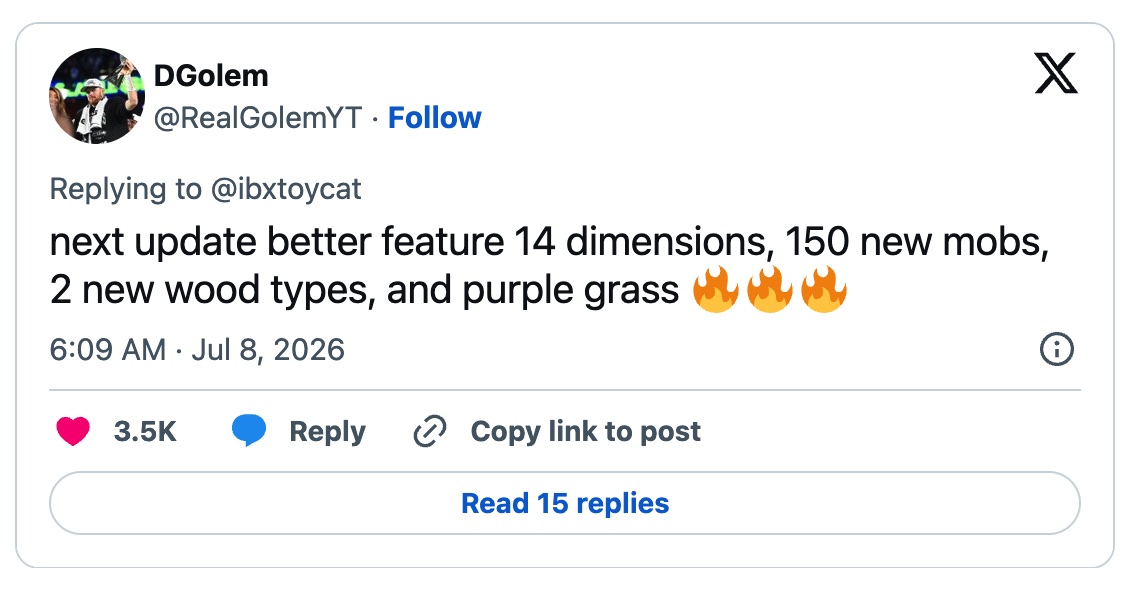
This is why many players joke that since Minecraft is now being taken seriously by XBOX again, the next update should ideally bring multiple new dimensions, a plethora of new mobs, new wood types, and entirely new biomes. Behind the banter lies the players' longing for the return of massive content.
Mojang's Future May Change, but the Direction Remains Unclear
As of now, neither Mojang nor XBOX has officially announced that Minecraft will return to large annual updates, nor have they confirmed that more budget will be allocated to specific content expansions in the next phase. Sharma only explicitly stated that Mojang would report directly to her and that XBOX would focus more on core businesses following the restructuring.
This could lead to two completely different outcomes.
Optimistically, now that Minecraft has been elevated to a more central position, Mojang might gain more resources for multiplayer, the creator ecosystem, parity between Java and Bedrock editions, long-term technical upgrades, and the major content directions players have long awaited. Especially with platforms like Roblox continuing to expand their influence, Microsoft clearly has a reason to keep Minecraft competitive at a platform level.
However, cautiously speaking, XBOX's current restructuring goals also include cutting costs, flattening management layers, and improving investment efficiency. In such an environment, the future of Minecraft might emphasize sustainable operations, business ecosystems, and platform capabilities rather than simply pursuing massive, traditional-style version updates.
Minecraft Remains One of the World's Most Important Sandbox Games
Regardless of how the community debates, Minecraft still possesses immense vitality. Today's players are no longer just chopping trees, mining, and building houses in single-player worlds. Public servers, private servers, data packs, mods, maps, skins, Marketplace content, and the creator community have collectively turned it into a vast player ecosystem.
Precisely because this game remains so important, players are particularly sensitive to the scale of updates. Small updates keep the game active, but large updates reignite the imagination. What Mojang faces now is the challenge of balancing these two needs.
If XBOX's new structure truly brings more attention to Minecraft, then what players are looking for is not just more frequent content drops, but an update that proves Mojang still has ambition. Whether that will happen may depend on whether the next few versions can truly translate this "higher-level attention" into actual blocks, worlds, and adventures within the game.