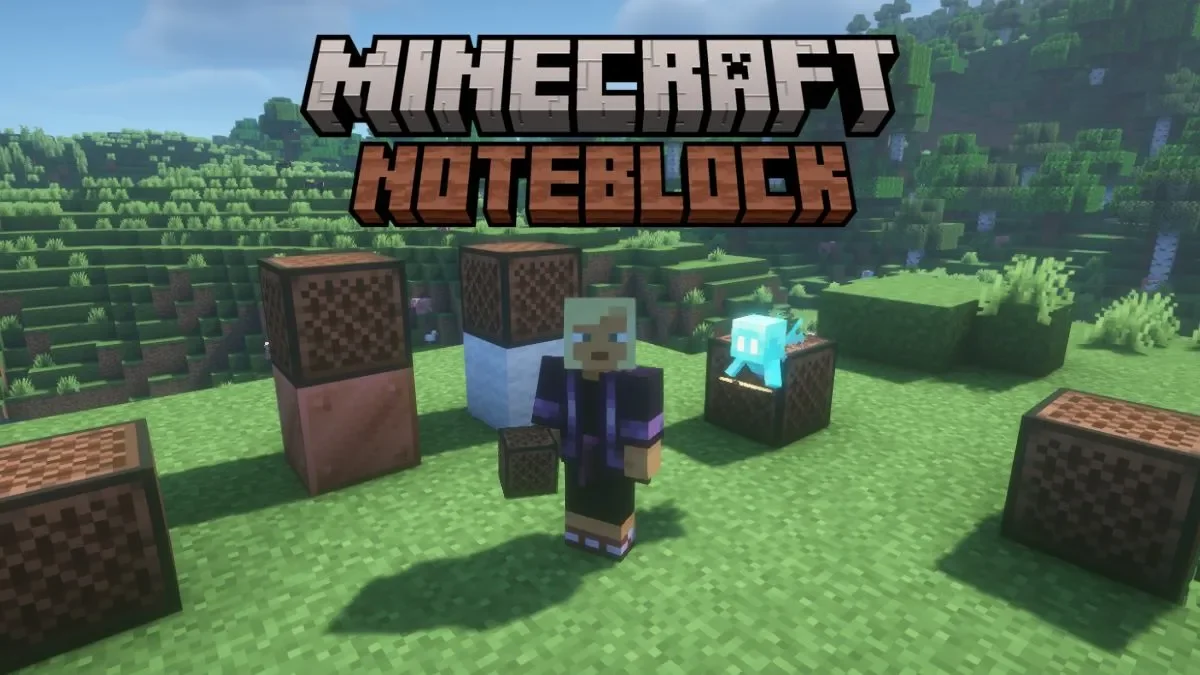
Many Minecraft players have a somewhat regrettable attitude toward Note Blocks: they see them, know they make sound, and then toss them into a chest to gather dust. People are willing to spend hours building castles, grinding for materials, and exploring the map, yet rarely realize that this unassuming wooden box might be the key to truly "bringing a base to life."
The most fascinating thing about the Note Block isn't just that it can emit a simple "ding," but that it weaves together music, Redstone, decoration, and automation. You can use it as a doorbell, turn it into an alarm, or use a row of Note Blocks and repeaters to slowly compose a melody. To those who only care about stacking blocks, it’s just a little toy; to those willing to tinker, it is the most lightweight sound engineering system in Minecraft.
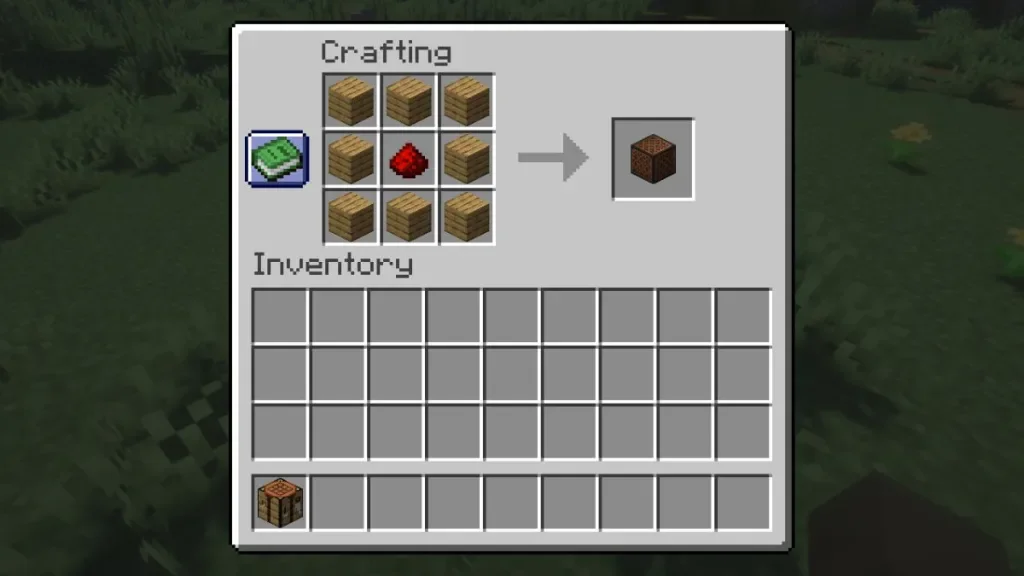
First, let's talk about how to obtain one. Crafting a Note Block isn't expensive; it only requires 8 wooden planks and 1 piece of Redstone dust. Open your crafting table, place the Redstone dust in the center, and fill the surrounding eight slots with planks to get a Note Block. This recipe is straightforward and carries that classic Minecraft feel: wood provides the shell, Redstone provides the trigger, and the result is a tool that looks simple but is actually capable of incredible things.
If you don't want to craft one yourself, you can also find them in Ancient Cities. As mentioned, Note Blocks can be found in secret rooms deep within these structures. However, in most standard survival worlds, crafting one is definitely more practical. Going out of your way to raid an Ancient City just for a single Note Block is a bit like performing microsurgery with a kitchen knife.
The real key is how to make it produce the sound you want. Right-clicking a Note Block raises its pitch by a semitone; left-clicking it or triggering it with a Redstone signal plays the current pitch. It has 25 pitch levels, rising from a low F# to a high F#, and it loops back to the lowest setting once it hits the top. In other words, you don't need an extra interface; you can tune the pitch simply by counting your clicks.
This is also where Note Blocks most easily discourage beginners. There is no piano keyboard, and the note names aren't written out for you, so it feels like tuning in the dark at first. But once you understand the logic of the 25 pitch levels, it’s not so mysterious. You can start by testing sounds with a single Note Block, then arrange several in a row, and finally use Redstone dust, buttons, pressure plates, and repeaters to control the playback sequence. The delay of the repeaters creates the rhythm, while the number of clicks on the Note Blocks creates the melody.
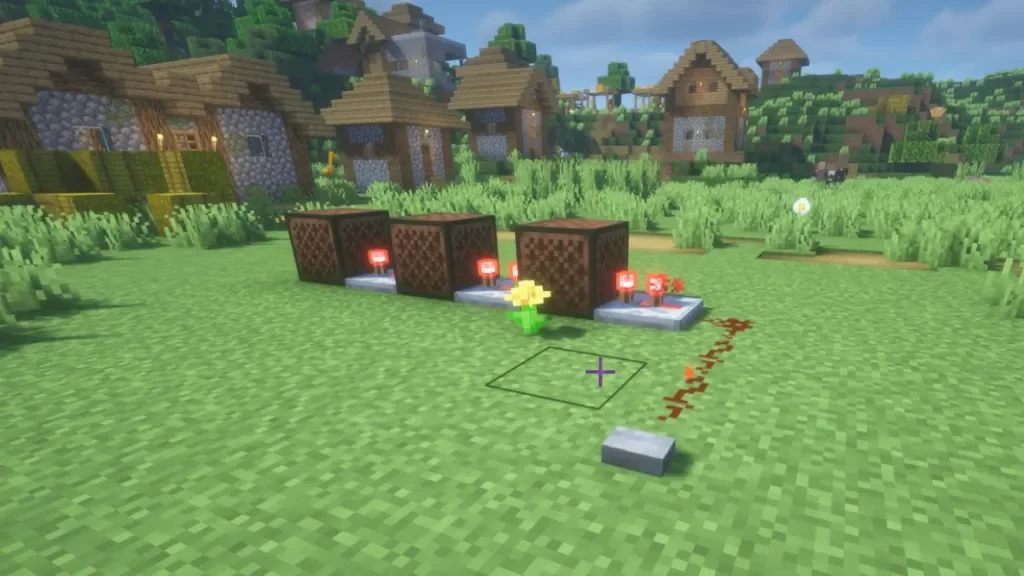
What's even more interesting is that the timbre doesn't just depend on the Note Block itself, but on the block placed beneath it. Air or most standard blocks produce piano/harp-like sounds; wood leans toward a bass sound, stone sounds like a bass drum, sand acts like a snare drum, glass creates a crisp clicking sound, wool can be used for guitar, clay sounds like a flute, gold blocks are bell-like, packed ice gives a chime effect, bone blocks sound like a xylophone, iron blocks are like a vibraphone, soul sand acts as a cowbell, pumpkins sound like a didgeridoo, emerald blocks produce retro electronic sounds, hay bales sound like a banjo, and glowstone can be used for electric piano.
The 2026 update made the Copper Block line even more interesting. In Minecraft 26.1 Snapshot 7, the developers added a trumpet sound triggered by copper blocks, and the oxidation level of the copper affects the sound. In other words, the same Note Block will sound different depending on the state of the copper block beneath it; if you want to lock in a specific timbre, you can wax the copper. This is a clever design, as it seamlessly integrates the existing copper oxidation mechanic into the musical gameplay.
Don't forget that Note Blocks can also work with Allays. When an Allay hears a nearby Note Block play, it treats it as a temporary drop-off point; after dropping off an item for the first time, it will continue to deliver matching items to that same location for the next 30 seconds. For players with automatic farms, this isn't just a gimmick—it's a legitimate item collection solution. A noisy wooden box suddenly transforms from a musical instrument into a logistics node.
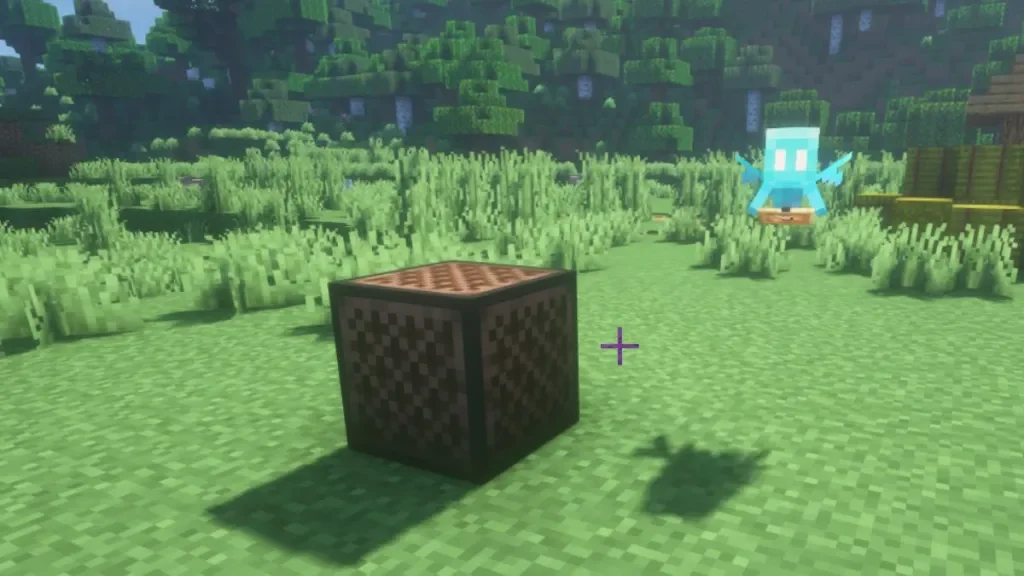
Of course, Note Blocks also have a mundane side. They can be used as decoration, placed in recording studios, on stages, in taverns, or in the corners of a base, as their texture looks quite like a speaker in a blocky world. They can also be used as fuel, with one Note Block smelting about 1.5 items, though this is a terrible waste. Crafting one with planks and Redstone only to toss it into a furnace is like chopping up a guitar for firewood.
Mob heads can also add a touch of dark humor to Note Blocks. Placing a Zombie, Creeper, Skeleton, Wither Skeleton, Piglin, or Dragon head on top of a Note Block allows it to play the corresponding mob sound. This feature might not be suitable for serious music, but it is perfect for pranks, map puzzles, and creating a spooky atmosphere. You might think your friend is just opening a door by stepping on a pressure plate, but the sudden sound of a Creeper right next to them is often scarier than the trap itself.
Ultimately, the real problem with Note Blocks has never been that they are useless, but that many players are too accustomed to playing Minecraft as a silent building game. But the blocky world isn't just about visuals; it’s also about rhythm, cues, feedback, and atmosphere. A short chime when a door opens, an alarm when a farm chest is full, or a looping melody in the base lobby—these things won't change your save's progress, but they will change how you feel about the world.
At the end of the day, the reason Note Blocks are worth revisiting isn't that they will turn you into a Redstone music master overnight, but that they remind players: creativity doesn't just happen in walls, roofs, and terrain—it can happen in sound, too. The next time you prepare to expand your base, try placing fewer purely decorative blocks and adding a row of Note Blocks instead. You might find that what truly makes a home feel "lived in" isn't just having one more room, but finally having a sound of its own.