How to Tame a Parrot in Minecraft
Parrots are among the cutest and most vibrant companions in Minecraft. While they won't fight for you or assist in gathering resources, they add a lot of fun to your adventures. If you want to know how to tame a parrot and what else they can do, this guide will cover everything you need to know.
Items Required to Tame a Parrot
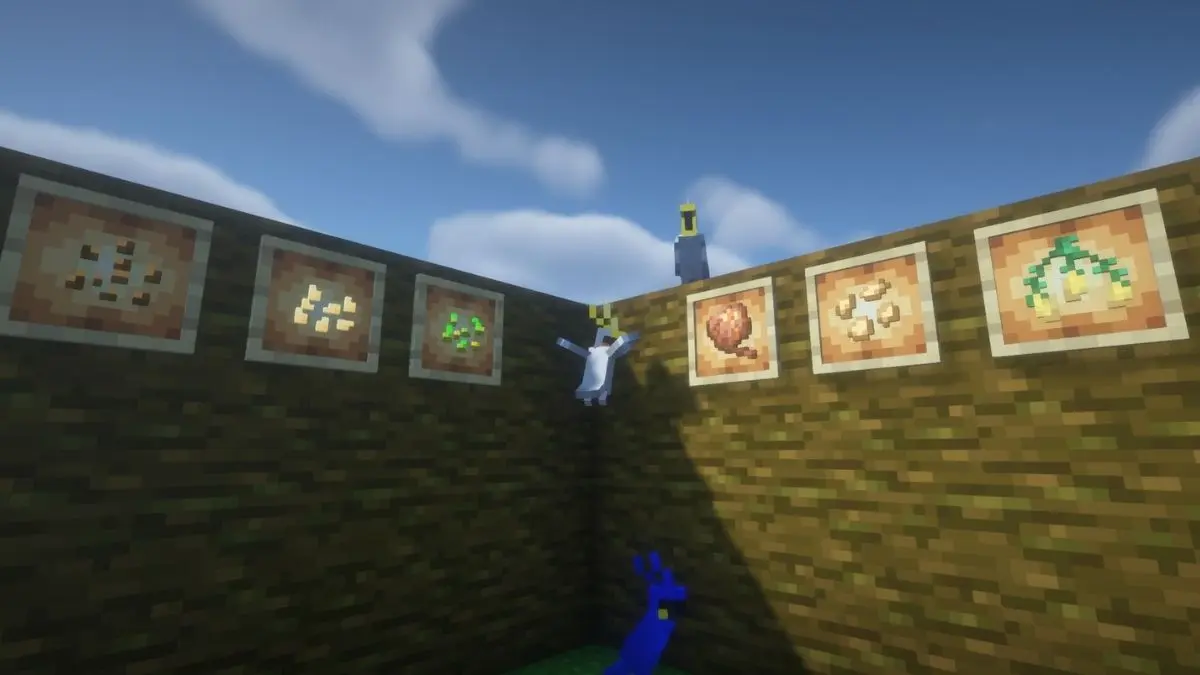
Before searching for parrots, make sure you have enough seeds. Parrots typically spawn in jungle biomes, including jungles, bamboo jungles, and sparse jungles. You can find them near leaves, logs, or grass blocks.
Items that can be used to tame a parrot include:
- Wheat Seeds
- Pumpkin Seeds
- Melon Seeds
- Beetroot Seeds
- Torchflower Seeds
- Pitcher Pods
Each feeding has a certain chance of successfully taming the parrot, generally estimated at around 10%. Therefore, it is recommended to prepare at least 10 seeds; carrying a stack or more is safer if you want to avoid bad luck. Pitcher pods can also be used to tame parrots, a fact confirmed by official Minecraft documentation. Official Minecraft Pitcher Pod Guide
How to Tame a Parrot: Step-by-Step
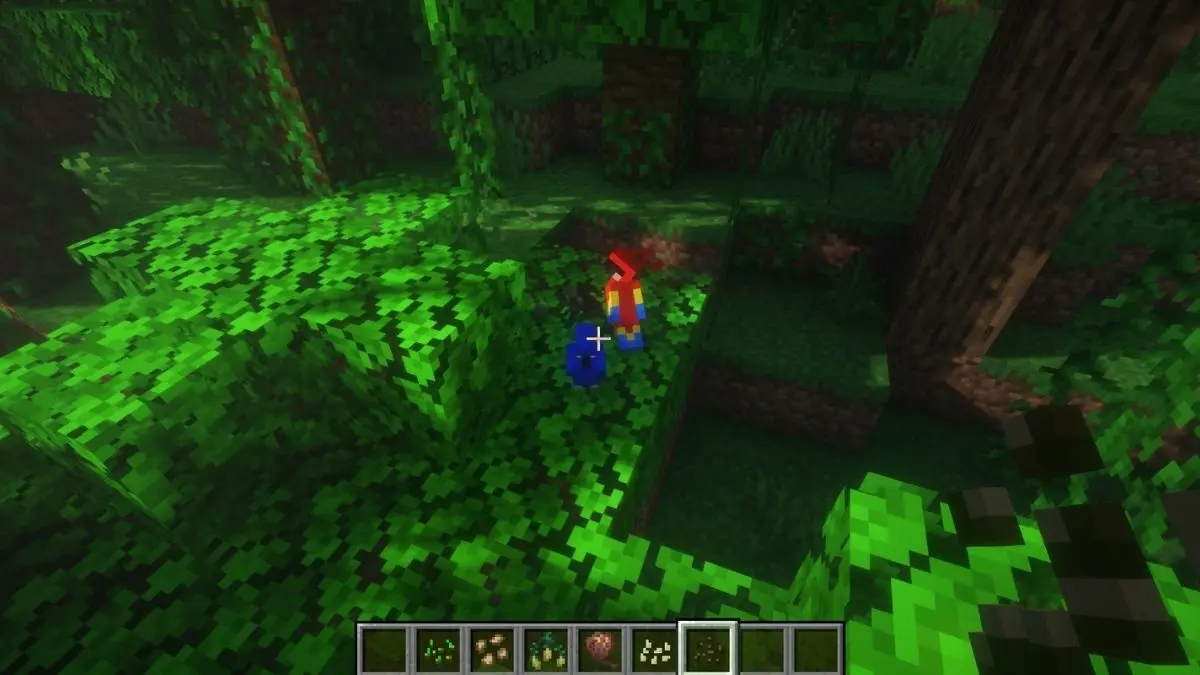
Once you have your seeds ready and have located a parrot, you can begin the taming process. Follow these steps:
- Travel to a jungle, bamboo jungle, or sparse jungle and look for parrots perched on nearby trees or the ground.
- Hold the seeds in your hand and approach the parrot slowly to avoid startling it into flying away.
- Interact with the parrot. On the Java Edition for PC, this is typically done with a right-click, while consoles and mobile devices use their respective interaction buttons.
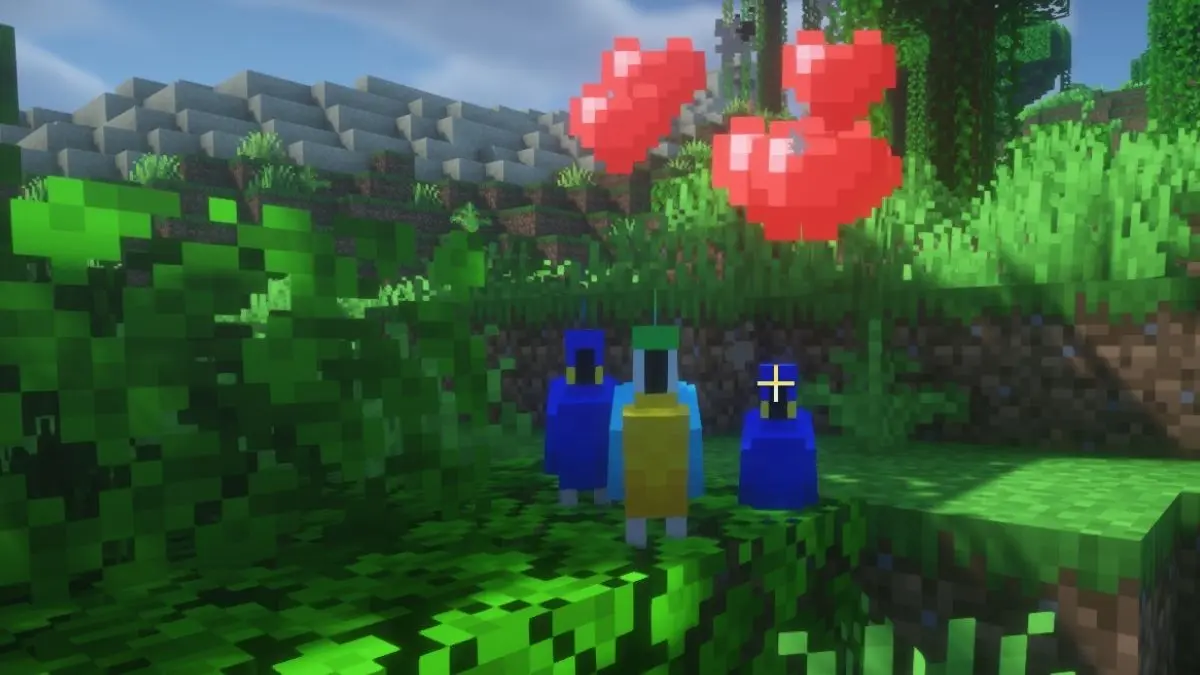
- Continue feeding the parrot until red heart particles appear above its head.
When the red hearts appear, the parrot has been successfully tamed. Afterward, it will follow you, and you can command it to sit or stand. Official Minecraft Taming Guide
How to Get a Parrot on Your Shoulder
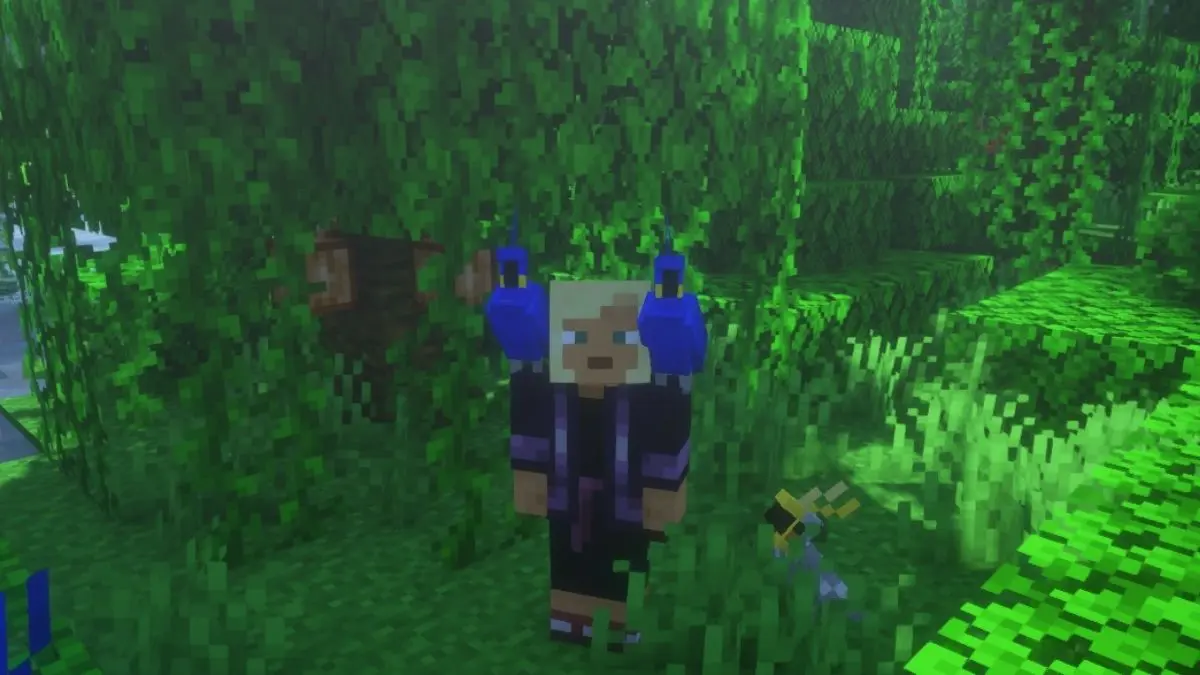
Taming a parrot is just the beginning. As long as the parrot is not in a sitting state, you can walk up to it and keep moving to have it jump onto your shoulder. Official documentation notes that walking into a tamed parrot or having it fly toward you may cause it to perch on your shoulder.
When a parrot is on your shoulder, it will generally look in the direction you are facing, as if it is exploring the world with you. Players can have up to two parrots on their shoulders at the same time—one on each.
However, parrots will typically leave your shoulder in the following situations:
- Taking damage
- Entering water
- Touching powder snow
- Sleeping in a bed
- Flying with an elytra
- Falling from a significant height
- Landing on a significantly higher block
- Flying in Creative mode
- Passing through a Nether portal
Cookies are Toxic to Parrots
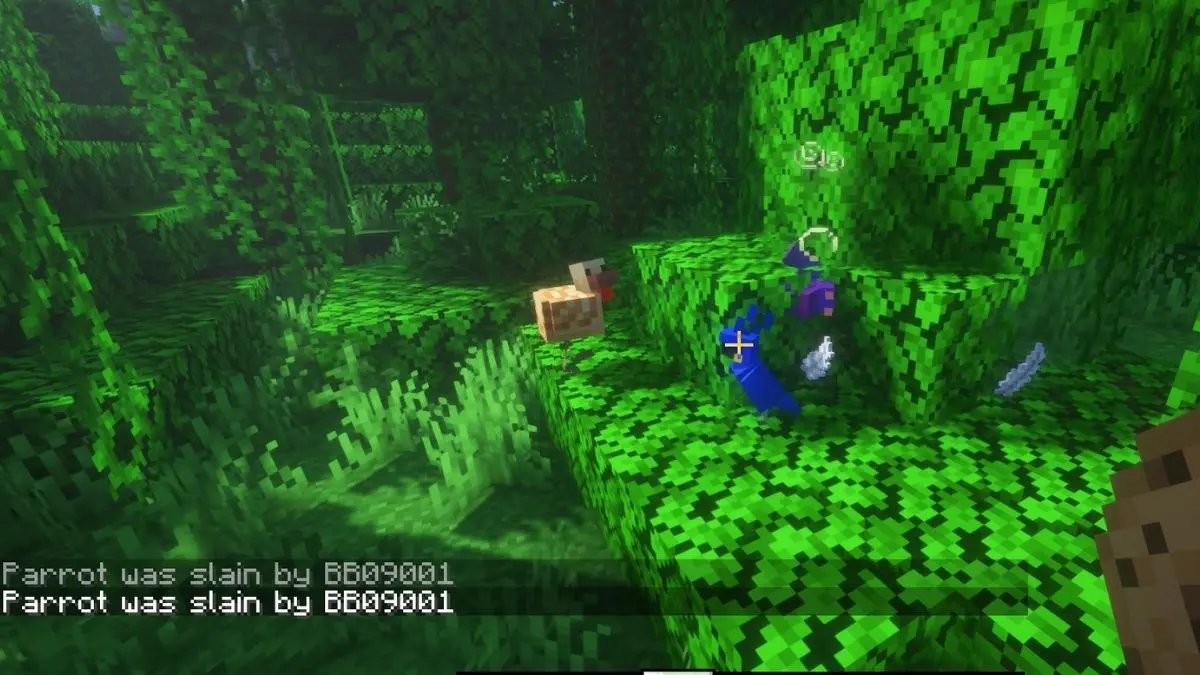
This is one of the most overlooked hidden mechanics regarding parrots. Do not feed cookies to parrots: in the Java Edition, the parrot may die instantly; in the Bedrock Edition, it will suffer from a fatal poison effect.
Cookie recipes contain cocoa beans, which can be obtained by growing cocoa pods. This is a nod to the real world, as chocolate is toxic to real-life parrots. The official help page specifically warns players not to feed cookies to parrots. Official Minecraft Husbandry Guide
So, even if you spent a lot of time taming a parrot, never use a cookie to test its reaction.
Parrots Mimic Mob Sounds
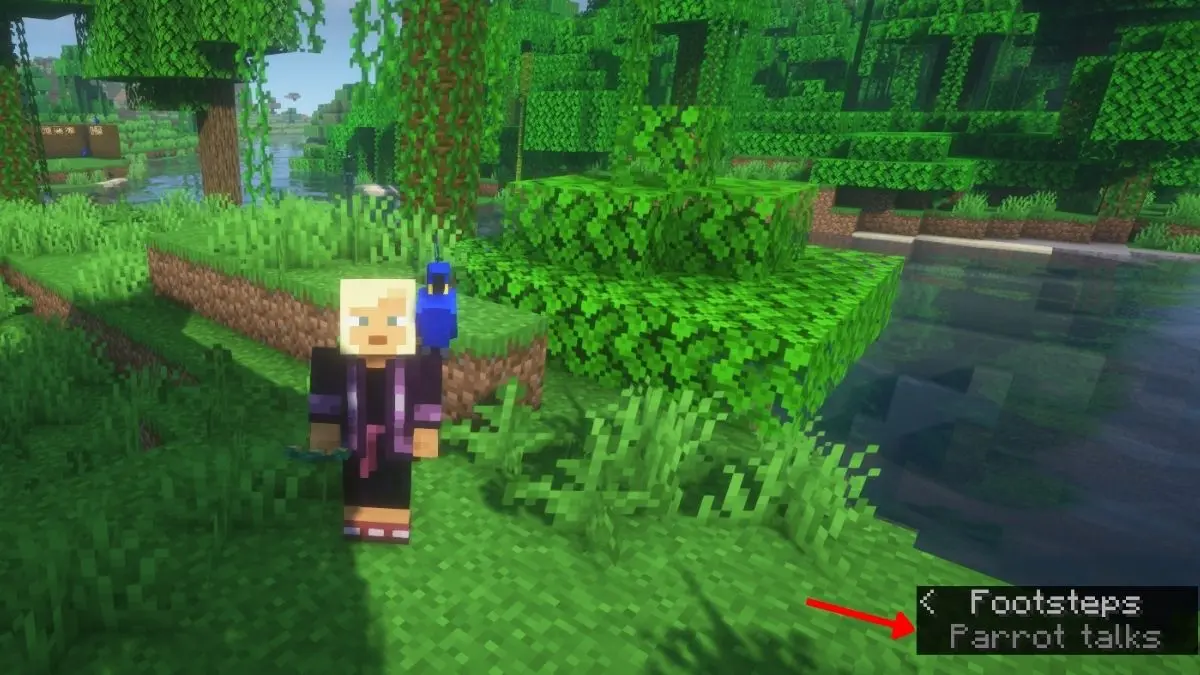
One of the most unique abilities of a parrot is its capacity to mimic the sounds of nearby mobs. Depending on the game version, they may mimic the sounds of Creepers, Zombies, Skeletons, Wardens, Blazes, Ghasts, Pillagers, Piglins, and more.
This ability can sometimes help you detect the presence of hostile mobs nearby. However, parrots also make these sounds occasionally on their own, so do not rely on them entirely to pinpoint danger.
Parrots Dance to Music
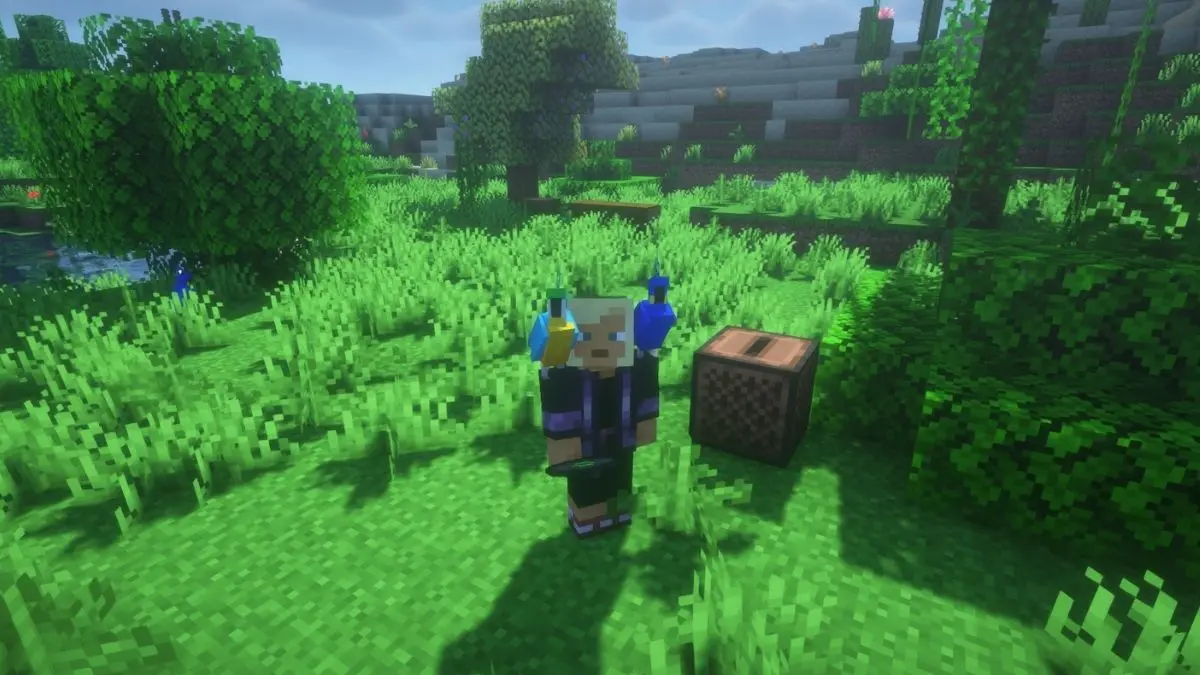
Parrots also love music. Place a jukebox nearby and insert any music disc, and the parrot will begin to bob its head and dance to the rhythm.
Whether it is perched on a tree or sitting on your shoulder, it may start dancing whenever it hears music nearby. After the music stops, it may continue to dance for a short while. Official Minecraft sources also list parrots dancing near a jukebox as one of their characteristic behaviors. Official Minecraft Parrot Introduction
By mastering these methods, you can easily tame parrots and bring them along as you explore jungles, the Nether, and other dangerous areas. Just remember to keep enough seeds on hand and keep cookies far away from your parrots to ensure your colorful companion stays safe.
Frequently Asked Questions
What should I feed a parrot in Minecraft?
You can tame a parrot using wheat seeds, pumpkin seeds, melon seeds, beetroot seeds, torchflower seeds, or pitcher pods.
How many seeds does it take to tame a parrot?
There is no fixed number. Each feeding has an independent success rate; you might tame one in a few tries, or it might take more. It is recommended to prepare at least 10, and carrying 20 to 30 is safer.
Can parrots breed in Minecraft?
No. Parrots currently cannot breed.