Minecraft Interview: Mojang Senior Product Manager Anna Lundgren on "Chaos Cubed," Long-term Stewardship, and the Player Community
Following Mojang Studios' consistent quarterly update cadence, the second game drop of 2026, "Chaos Cubed," stands out as one of the most content-rich updates in recent years.
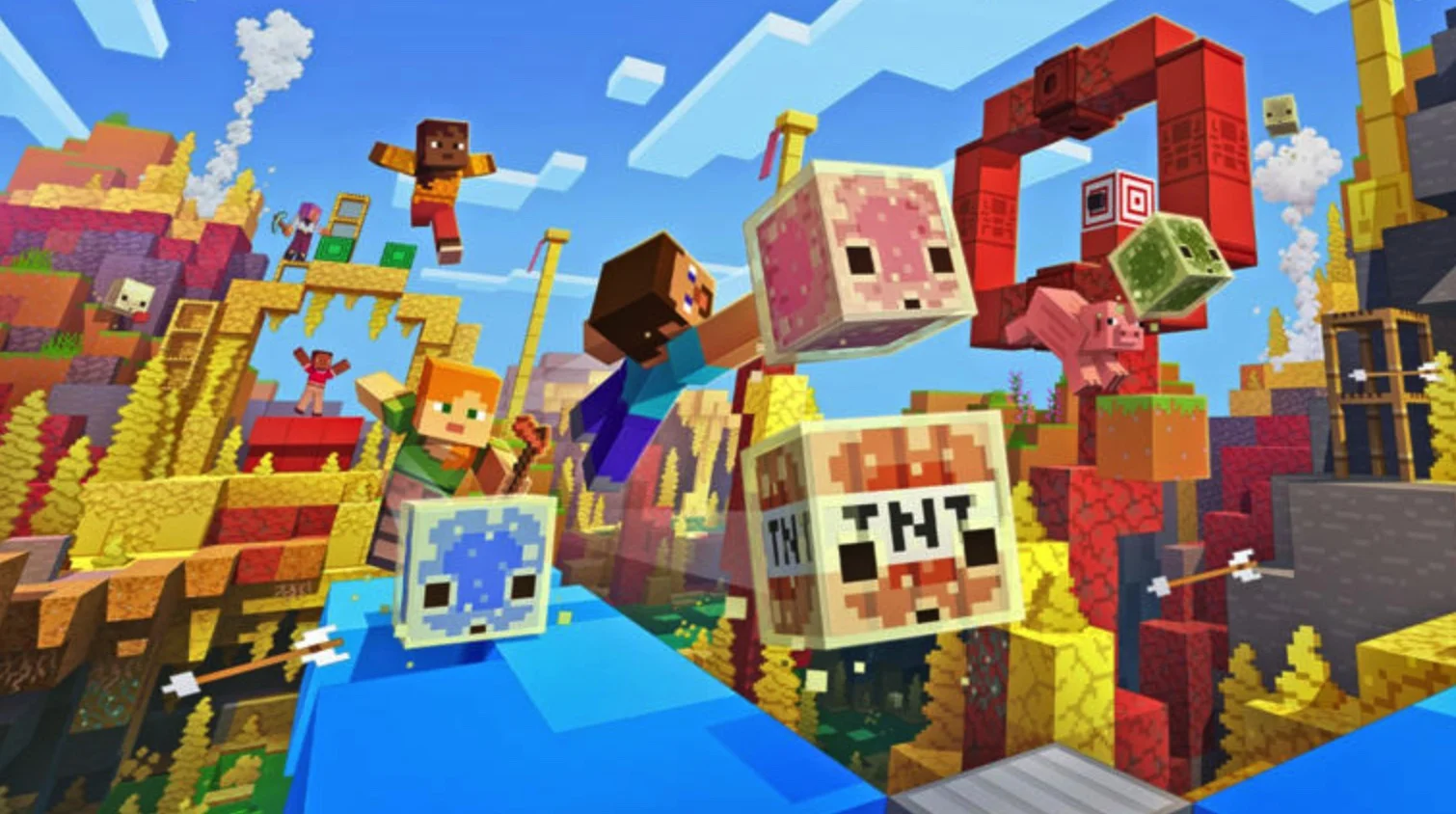
The core of this update is the new Sulfur Cube mob. It can absorb almost any block and change its properties based on what it consumes. In addition, the update introduces the Sulfur Caves biome, geysers, sulfur pools, cinnabar and sulfur blocks, as well as experimental Vulkan rendering support and social features like a friends list. These details have been officially announced in the Minecraft Java Edition 26.2 update. Official Mojang Update Notes
Following the official launch of "Chaos Cubed," Game Rant interviewed Mojang Senior Product Manager Anna Lundgren. The conversation spanned from the creative origins of the Sulfur Cube to how Mojang decides which emergent gameplay discovered by players should be kept, the "long-term stewardship" philosophy the studio is adopting, and the future direction of Minecraft.
Involving the Player Community in Shaping Direction
Minecraft boasts a massive player base, and updates must cater to diverse playstyles—including building, survival, redstone, and multiplayer—making it difficult to evaluate an update by a single standard. However, the development process of "Chaos Cubed" is a testament to how Mojang listens to player feedback.
During last month's Minecraft Live event in Rotterdam, the development team mentioned that the inspiration for the Sulfur Cube came from seeing players kick armadillos around like soccer balls. This seemingly accidental behavior made the team realize that players will always find new uses for game elements beyond their original design.
Lundgren notes that the community has always been one of Mojang's most important sources of inspiration:
The community has always been our strongest source of inspiration. This approach has existed since the very beginning of Minecraft. Listening to players and incorporating their feedback into the game whenever possible has become a tradition we consistently uphold.
This working method permeated the snapshot testing phase of "Chaos Cubed." After Mojang provided early access to the Sulfur Caves, they repeatedly adjusted the colors of the new blocks based on player feedback regarding visual aesthetics and building utility.
Cinnabar and sulfur are more than just brightly colored stones. For many players, they fill the gap in warm tones within Minecraft's existing block palette. The combination of red and yellow also provides greater creative freedom for architectural design.
The later addition of magma and TNT forms can also be traced back to player feedback. Players continuously experimented with combinations between different blocks and the Sulfur Cube, ultimately pushing more gameplay mechanics into the official release.
How Mojang Determines if Gameplay is "Working as Intended"
The snapshot mechanism provides Mojang with a unique creative environment. Players can experience features before they are finalized, leading to the rapid emergence of gameplay the team hadn't anticipated.
The real challenge lies in determining whether these unexpected discoveries should be preserved or adjusted. Lundgren believes there is no fixed rule that applies to every situation; the development team must evaluate each case individually:
When a feature functions in an unexpected way, we must balance it carefully. Some results lead to fun new gameplay, but we also have to consider whether it breaks other content or affects the overall balance of the game.
During the testing of "Chaos Cubed," players discovered they could place enchanted items into the Sulfur Cube. While imaginative, the actual result was suboptimal. The enchantment effects didn't display correctly, and the Sulfur Cube's identity as a block-based entity became blurred.
Consequently, Mojang ultimately patched this behavior. However, fixing it doesn't mean the team dismisses player experimentation. Lundgren stated that developers love seeing players push the boundaries of the system and doesn't rule out the possibility of revisiting similar ideas in the future.
We really enjoyed what the players were trying to do at the time. Who knows what the future holds? Seeing players constantly find new ways to play is always inspiring.
Unexpected Player Creativity is the Benchmark for Success
The Sulfur Cube possesses rich physical properties, and players continue to discover new ways to interact with it in every round of snapshot testing. One might assume Mojang would be used to being "challenged" by players, but Lundgren admits that the community's creativity still surprises the team.
The development team originally envisioned various minigames and redstone contraptions, such as using the Sulfur Cube in chaotic competitive events. The reality, however, far exceeded their expectations.
We thought about minigames, redstone chaos, and all sorts of fun gameplay. Then, suddenly, we saw monorails and players making pigs fly. We were thrilled. Whenever the community pushes a feature forward and finds entirely new ways to use it, I find it fascinating.
In Lundgren's view, the success of a feature doesn't depend solely on what the team initially designed. What truly matters is whether players can discover possibilities that the developers hadn't planned for.
Monorails and flying pigs might not have been in the design document, but they perfectly illustrate that Minecraft's systems have sufficient room for expansion.
Entering the Sulfur Caves
The Sulfur Caves also originated from a simple player request: they wanted more warm-colored blocks in the game.
Mojang's art team began observing warm-colored rocks and minerals in the real world, looking for natural environments suitable for Minecraft. When they saw real-world sulfur pools, the design direction was quickly solidified.
Lundgren said:
When the art team saw sulfur pools in real life, they were captivated by the beautiful ring-like textures composed of yellow and red. From there, we gradually decided to make sulfur and cinnabar the new materials.
The design philosophy of the Sulfur Caves is very close to the gameplay logic of the Sulfur Cube itself. It is not an underground landscape just for sightseeing, but an environment that encourages players to experiment.
Sulfur pools cause the Nausea effect, while geysers can launch players and mobs into the air. Players can also use the new materials to build contraptions, attempting to control the activation and deactivation of geysers, turning environmental effects into parts of their builds and minigames.
We wanted to keep that playful feeling. Players can use the new materials to build things themselves, control the Nausea effect, or toggle geysers on and off to create all sorts of fun contraptions. This is very consistent with the design philosophy of the Sulfur Cube itself.
This is what makes the Sulfur Caves so special. It doesn't provide players with a set of landscapes to observe, but a set of tools that can be utilized, modified, and recombined.
Balancing New Content with Technical Upgrades
The scale of "Chaos Cubed" isn't limited to the Sulfur Cube and Sulfur Caves. While renderer upgrades and social feature testing may not be as easy to highlight as new mobs, they require a significant amount of development work.
Lundgren stated that Mojang is always trying to ensure that every type of player gets something out of an update:
We want to cater to different types of players. Some need performance improvements, some look forward to Marketplace features, and others just want to see new content added to the base game. Fixing bugs and adding new gameplay are equally important because players have different expectations for the game.
In this update, the Java Edition added a friends list and provided experimental Vulkan rendering support. The Bedrock Edition tested multiplayer party features, allowing players to team up, use text chat, and move together between different game experiences. Official Java Edition 26.2 Update Log
For Mojang, every update cannot just look at the current version. Whether a feature is fun today is important, but whether it will affect future updates, old save files, and long-term gameplay must also be taken into account.
Minecraft's player base spans different age groups and has a wide range of gaming experiences. Some players have lived in the same world for over a decade. Therefore, updates must not only solve current problems but also strive to maintain the stability of these long-term worlds.
A Game Worthy of Long-Term Trust
At the end of the Minecraft Live event, Mojang specifically mentioned the "long-term stewardship" philosophy. This is a long-term development approach aimed at multi-generational players, with the core question being: how should the game grow, and who should it always serve?
Lundgren believes this philosophy isn't a slogan written by Mojang from the start, but a consensus formed gradually during the studio's long-term operations.
The core principles of Minecraft have been changing, but the most important foundation remains the same: players have their own stories and control over their worlds. Of course, Creepers occasionally offer a different opinion.
Some players have worlds that have existed for ten or even fifteen years. As the game continues to evolve, we must ensure they trust us, want to keep playing, and can continue to derive joy from the game. This is very important.
Lundgren herself has worked at Mojang for over a decade. When she joined the studio, she worked in customer service, helping players recover old worlds and handling account login issues.
These experiences also influenced her understanding of "success." Compared to whether a major feature receives attention, she cares more about whether the game truly helps players have a pleasant time.
Back then, I felt proud because I was helping players. Being able to help someone recover an old world or retrieve their login information was truly great. As long as we can keep players having fun, that is something to be proud of.
Dappled Forest, and Beyond "Chaos Cubed"
As the interview drew to a close, the topic returned to the next major update announced at the end of the Minecraft Live event: the Dappled Forest.
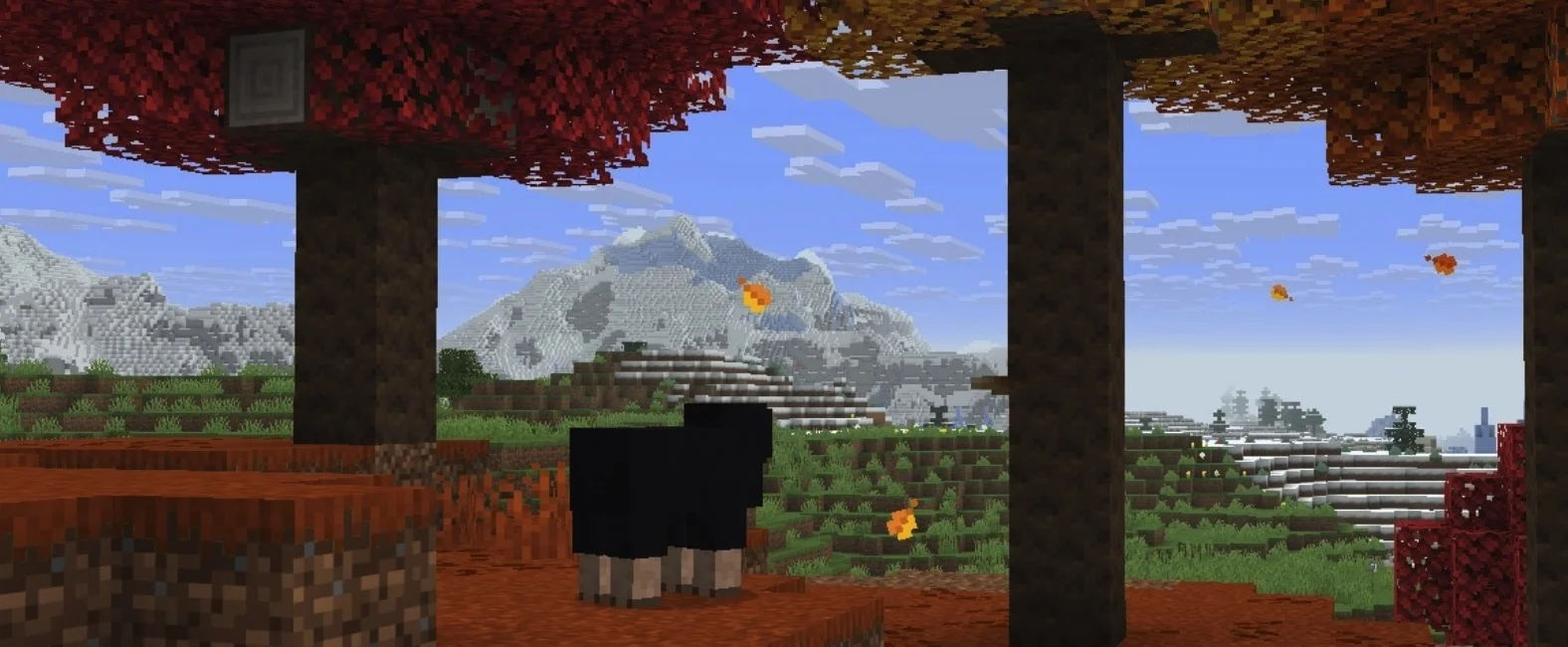
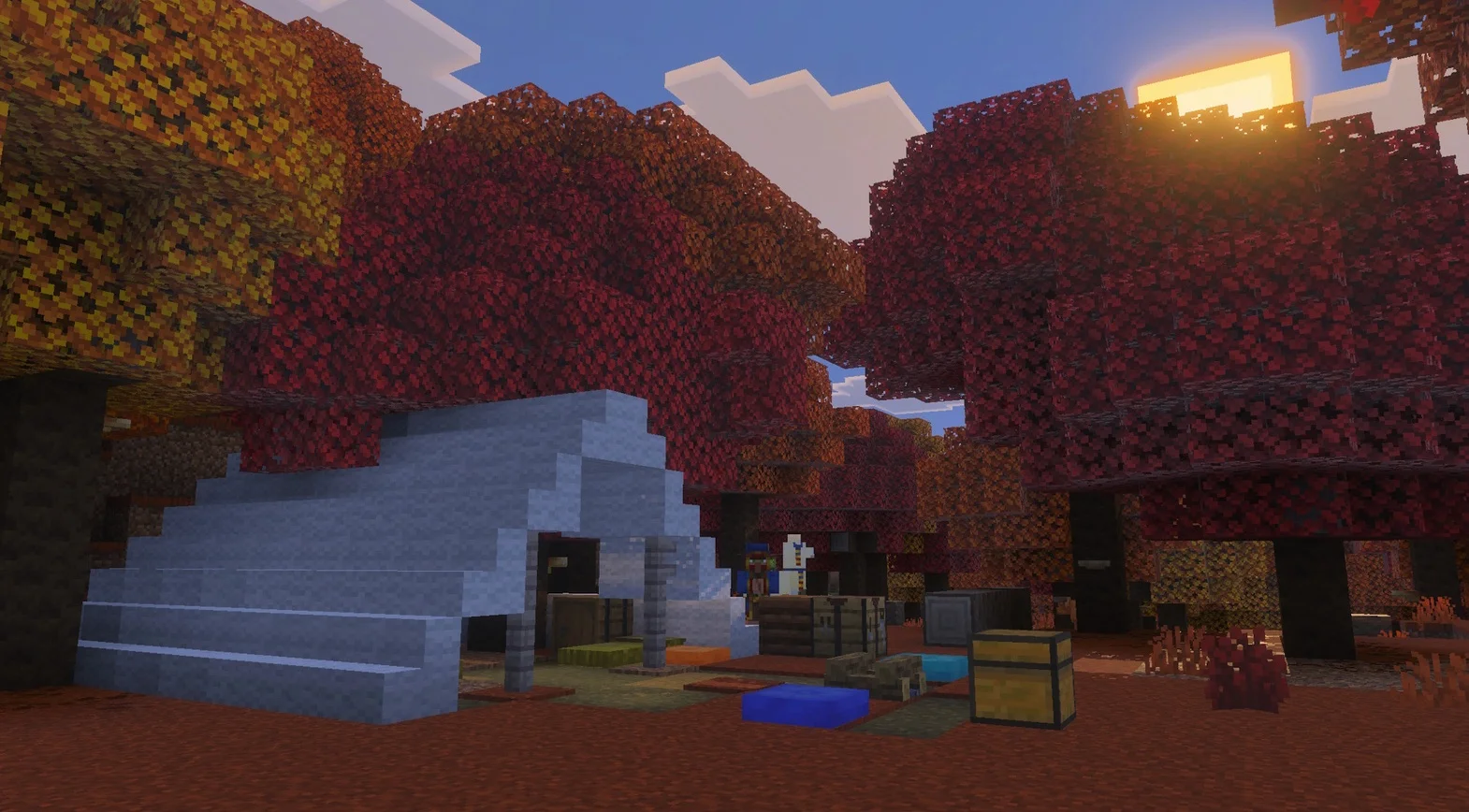
This new biome will introduce Poplar trees, abandoned campsites, and all-color wool stairs and slabs. Based on the content revealed so far, it clearly leans more towards building and exploration. Mojang has since announced the Dappled Forest, Poplar wood, abandoned campsites, shelf mushrooms, red bushes, as well as wool stairs and slabs in the Java Edition 26.3 snapshot. Official 26.3 Snapshot Notes
Lundgren enjoys building herself, so she particularly welcomes the addition of wool stairs and slabs. In her view, this is one of the most charming ways to update Minecraft: the team doesn't always have to add massive systems; sometimes, just going back to refine an existing feature can bring significant changes for players.
She confirmed in the interview that the Dappled Forest will enter testing via snapshots and the preview system in the summer, but did not reveal further details beyond what was shared at the live event.
As for whether future game drops will continue to strengthen environmental interaction or, like the Sulfur Caves, add more ecological layers to biomes, Lundgren believes the answer depends on the player needs addressed in each update cycle.
Some game drops might be more systematic and deeper, like this one. But for different players, "systematic" itself has different meanings. Future updates might look completely different because they need to serve the needs, desires, and imaginations of different players.
Continuously listening to players and then adjusting the game's direction based on real feedback—for a studio that has accompanied players for fifteen years, this may be what Mojang understands as "long-term stewardship."