The Lord of the Rings, Minecraft, and Dungeon Crawlers: How They Shaped Au/Ra’s "Hope-core" Alt-Pop Debut
With electronic pop melodies, "Heartcore" weaves a fantasy journey back to the imagination of childhood.
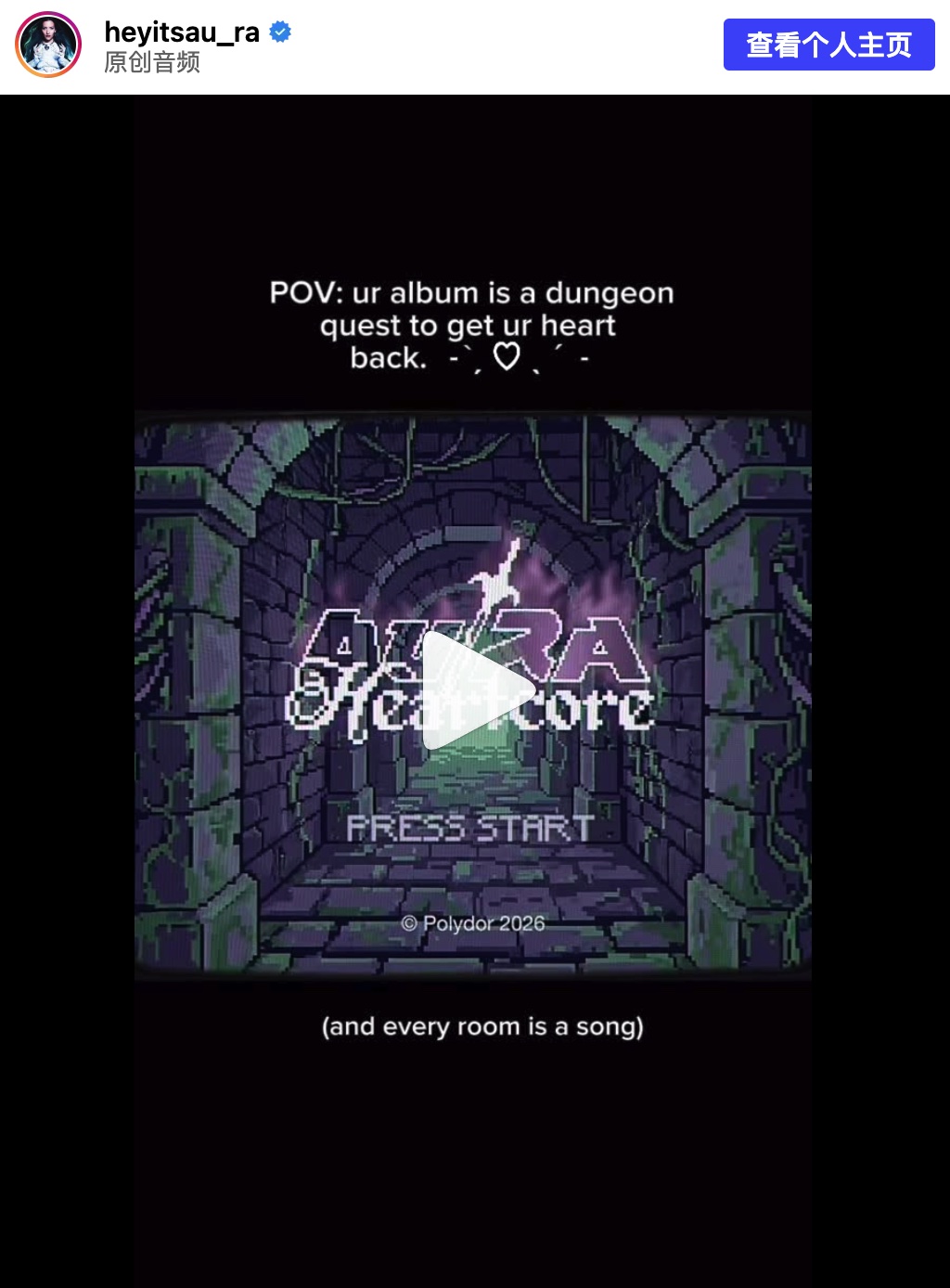
Alternative pop artist Au/Ra’s debut album, Heartcore, feels like a re-embrace of the "geeky" fantasy worlds of her childhood. The entire project unfolds around a narrative reminiscent of retro dungeon crawlers; tracks like "This Is Character Building," "Last Heart <3," and "Lo/Re" borrow gaming terminology—such as character creation and depleting health points—to recount a winding journey of betrayal, growth, and finally breaking free from constraints.
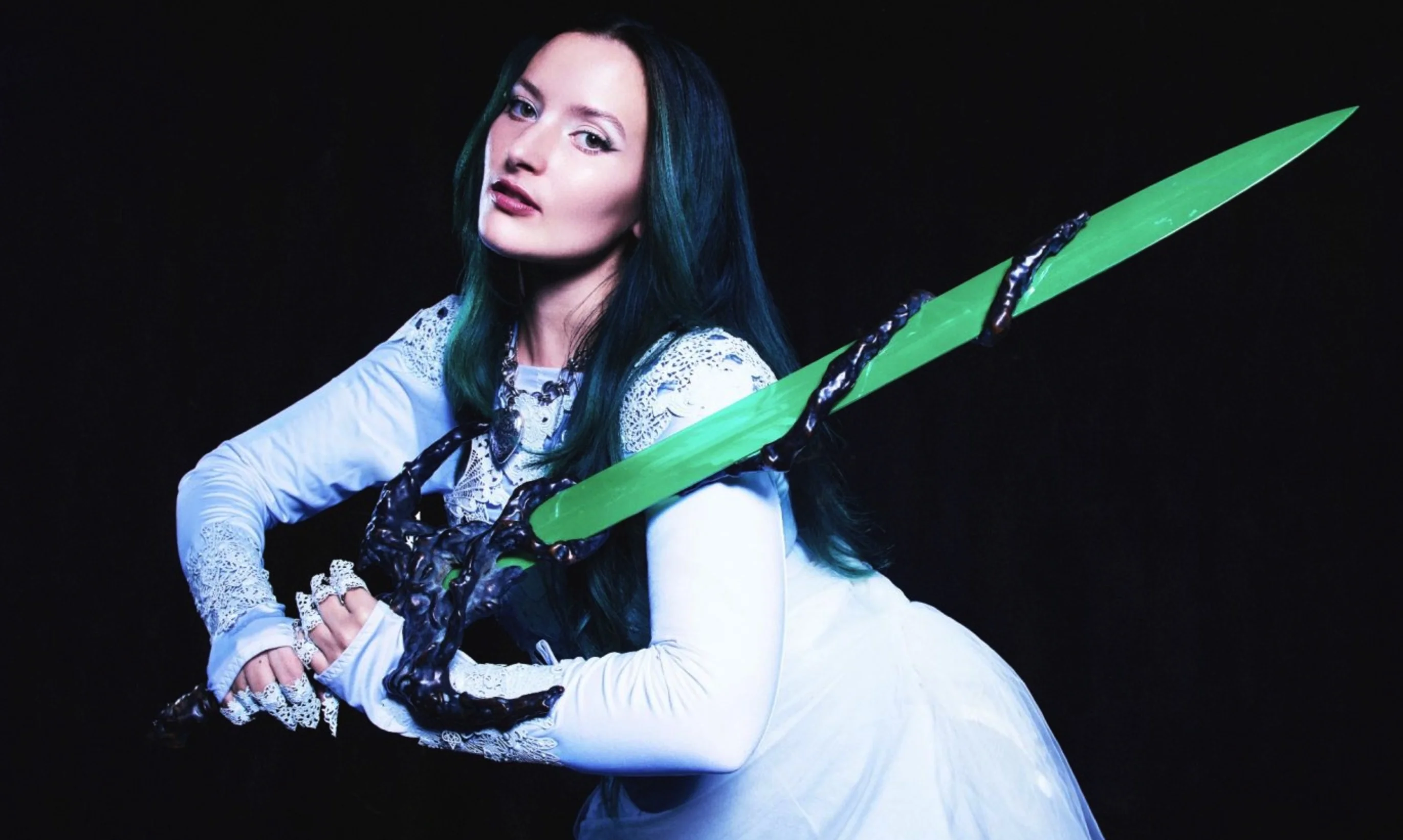
It is an ambitious, conceptually complete album with a coherent world-building that brings to mind the ongoing Post Human series by Bring Me The Horizon. The intersection of gaming-inspired playfulness and the emotional tension of art-pop explains why Au/Ra became one of the most talked-about performers at this year’s The Great Escape Festival—she even brought a massive prop sword on stage to use as a microphone stand.
Au/Ra’s electronic pop is influenced by the ethereal digital soundscapes of Imogen Heap and the surging, sharp rave-rock energy found in Grimes’ Art Angels. Meanwhile, the soundtracks of Genshin Impact, League of Legends, and its animated spin-off Arcane have infused Heartcore with rich, kinetic colors. To announce the tracklist and invite listeners into the album's world, she even launched a top-down dungeon adventure mini-game; those looking to dive deeper into the lore can find more clues in the Heartcore comic.
"It’s honestly a geek’s dream come true," Au/Ra, born Jamie Lou Stenzel, tells NME via Zoom.
"It’s not surprising that the album turned out this way," explains Stenzel, who grew up between Ibiza and Antigua. "While making this record, I started therapy to process childhood trauma. In the process, I returned to the things I once loved and used to cope with life: video games, creative writing, and The Lord of the Rings."
She believes that creating Heartcore allowed her to forgive the version of herself as a child who always felt like an outsider, and to recalibrate the guilt she felt for being "different."
Stenzel’s first console was a pink Nintendo DS. While her parents worked in the studio—her father a producer, her mother a songwriter—she would spend her time playing Nintendogs, the cooking mini-game collection Cooking Mama, and the game adaptation of Barbie in the 12 Dancing Princesses. Later, she became obsessed with Final Fantasy XV and The Lord of the Rings.
"I was particularly obsessed with elves," she says. "They were cool, beautiful, and possessed mysterious magical powers." Before long, she began sharing fan fiction featuring a character named Aura on Wattpad.
"Those fantasy worlds made me feel like I finally belonged," Stenzel says. When facing feelings of dissociation, she often used these worlds to ground herself. "I had many thoughts about existence and the absurd from a very young age. Creating my own world, or immersing myself in fan communities, always helped me get back on solid ground."
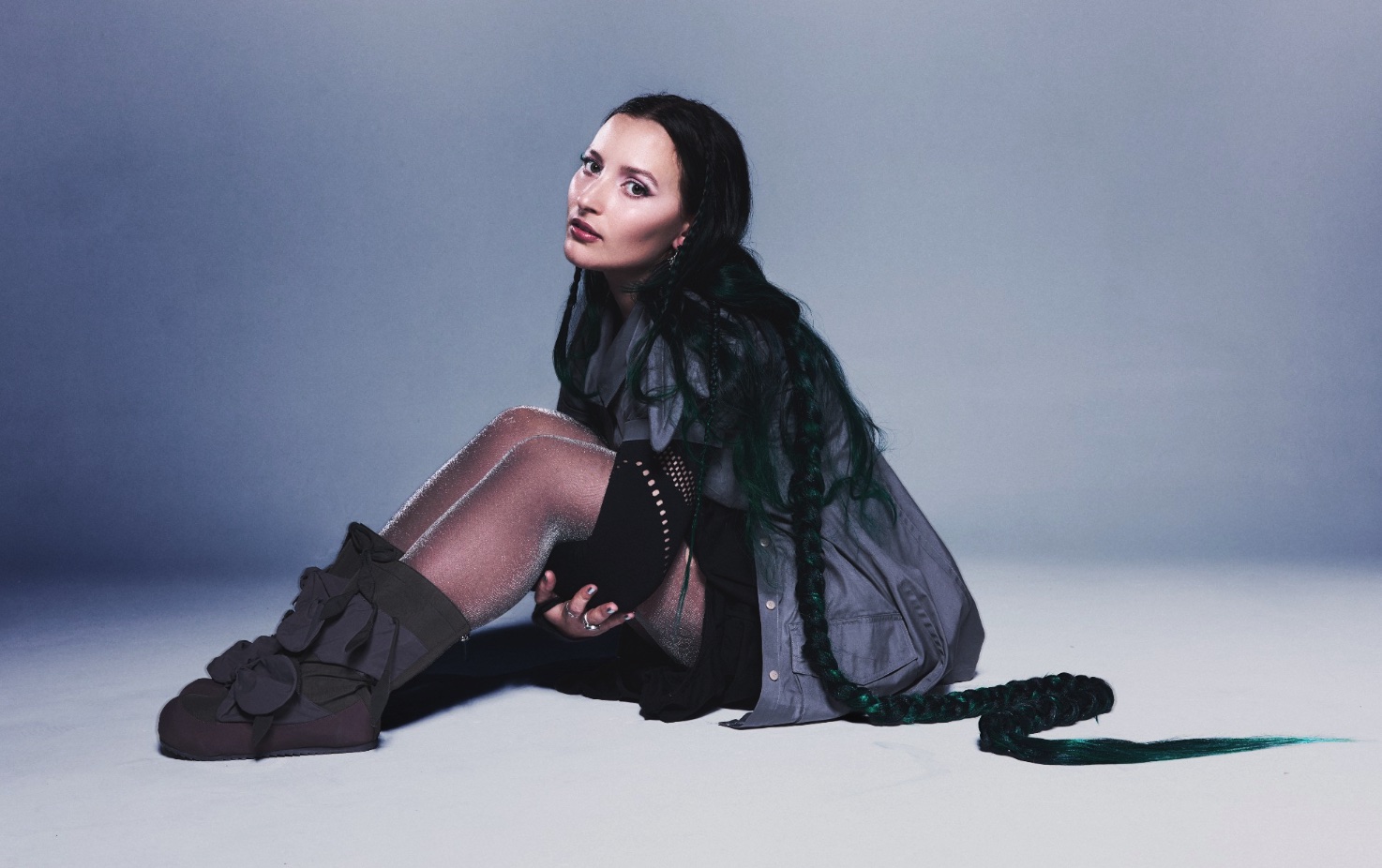
She also channeled this outsider's unease into her music. The shimmering electronic pop single "Concrete Jungle" was released when she was 14, alongside the more emotionally volatile, Pink Floyd-influenced "Outsiders." A few months later, she released the moody, emo-tinged "Panic Room," which candidly sang about the fragile experience of living with anxiety.
"Panic Room" slowly gained traction before accelerating due to a remix by CamelPhat; players of Gacha Life also frequently used it to soundtrack their self-made music videos, bringing the song another wave of attention.
"I didn't feel like I really wanted to be a pop star; I just wanted to create cool little worlds," Stenzel says. "It wasn't until people on my team started talking about me in that way that I slowly realized this could actually be a path."
In 2021, she released the mixtape Soundtrack To An Existential Crisis. However, a contract dispute with Sony prevented her from releasing music for several years afterward. Although she eventually left the label, she had to abandon a "large amount" of completed music due to rights issues.
"It was a mourning of art," she says.
At the time, as a musician who had just regained her independence, Au/Ra felt lost and uncertain about the future, so she stepped away from music to focus on creative writing. "It was a safe space that wouldn't hurt me."
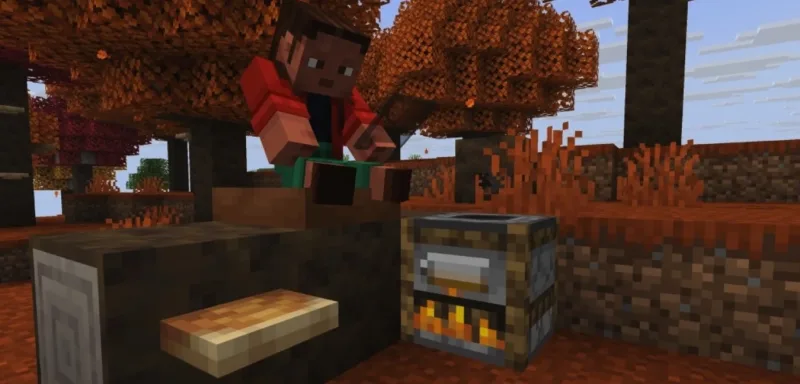
However, she didn't want to completely abandon the listeners who supported her. She continued to interact with fans via her Discord server and played Minecraft, Genshin Impact, Valorant, and Overwatch with them on Twitch. This sense of escapism provided by games and community brought hope back to her.
"My anxiety was severe during that time. When you're in a bad situation and can no longer see the light at the end of the tunnel, it's very difficult to convince yourself that there is still an exit," Stenzel says. "I once felt it was impossible to try and build a music career again, but the people around me urged me to keep going."
The first song she wrote upon returning was "Blah." This furious track allowed her to release the pent-up emotions of being betrayed and left behind. "After writing it, I was no longer blinded by anger," she says. "Only then was I truly able to explore what I wanted to create and find the things that helped me through that psychological journey."
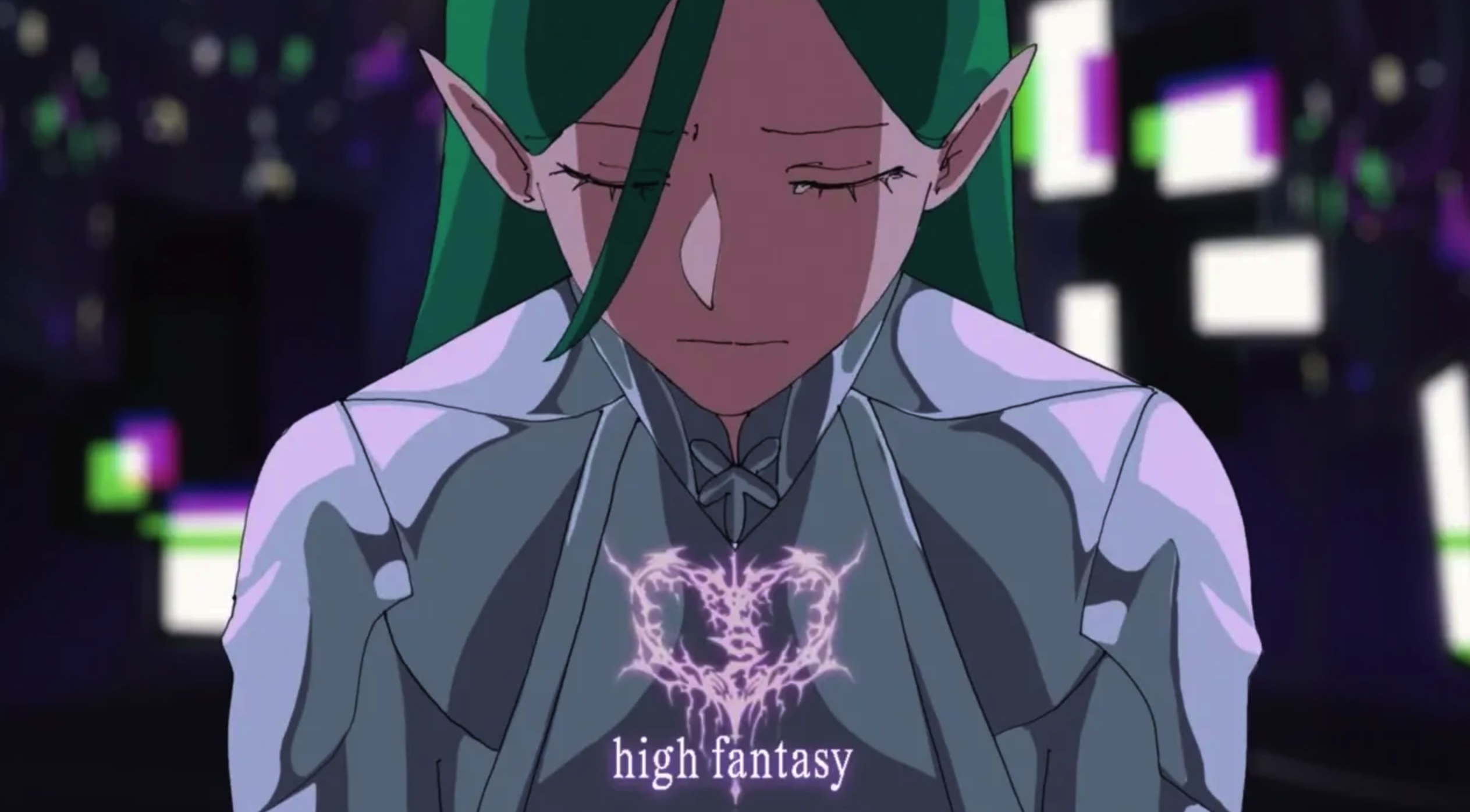
Next came the heartbreaking "Last Heart <3." In this song, Au/Ra seems lost, with her health points running low. It was this piece that ignited the overarching dungeon adventure concept of Heartcore.
"The whole album is a giant metaphor for a dungeon of the heart," she explains. Each song is a level that the character Au/Ra must overcome to rediscover joy and wonder.
"It is certainly inspired by my real life, but I've always loved storytelling. I felt I needed to escape into a world of my own to process everything I was going through; at the same time, I wanted to express it creatively in a way that others could understand."
The more she poured her authentic self into this glitchy, alternative pop album, the more she rediscovered the excitement of creating music.
"It’s a very 'hope-core' piece of work."