How Do Pediatricians View Minecraft?
It can foster creativity and problem-solving skills, but parents should still be mindful of issues regarding addiction, sleep, and online safety.
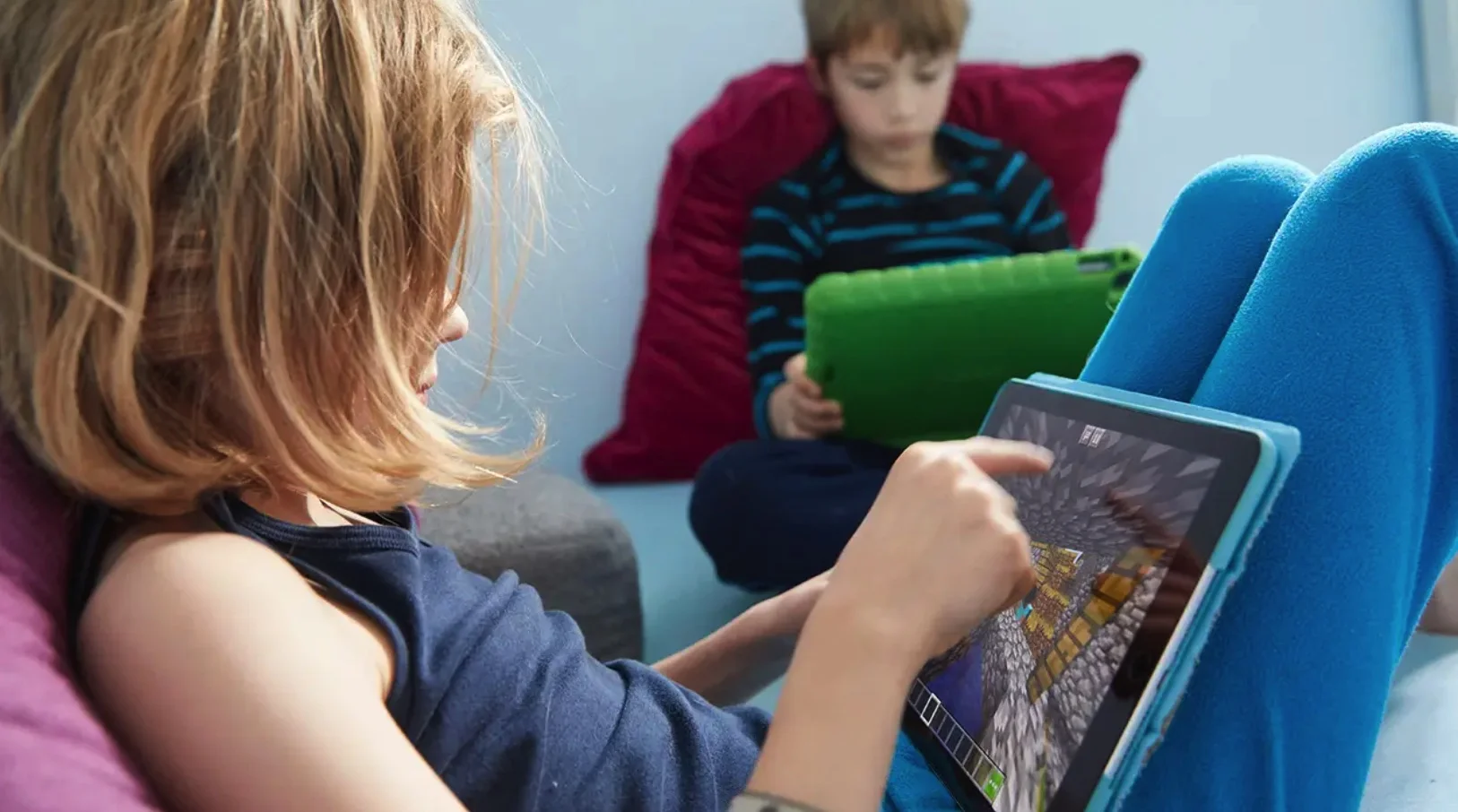
During summer vacation, many children spend more time in the blocky world of Minecraft, with some playing online with friends. For parents, the question is not simple: is this game beneficial to growth, or does it become a burden?
The views of pediatric and child mental health experts are not black and white. Dr. Consuelo Cagande, Chief of Child and Adolescent Psychiatry at Zucker Hillside Hospital in New Hyde Park, New York, believes that games like Minecraft, which emphasize free-form building, can indeed provide a space for children's creativity to flourish.
Obstacles in the game also prompt players to think about their next steps. Dr. Cagande points out that children need to experiment, fail, and then adjust; this process helps practice problem-solving skills and fosters the habit of not giving up easily.
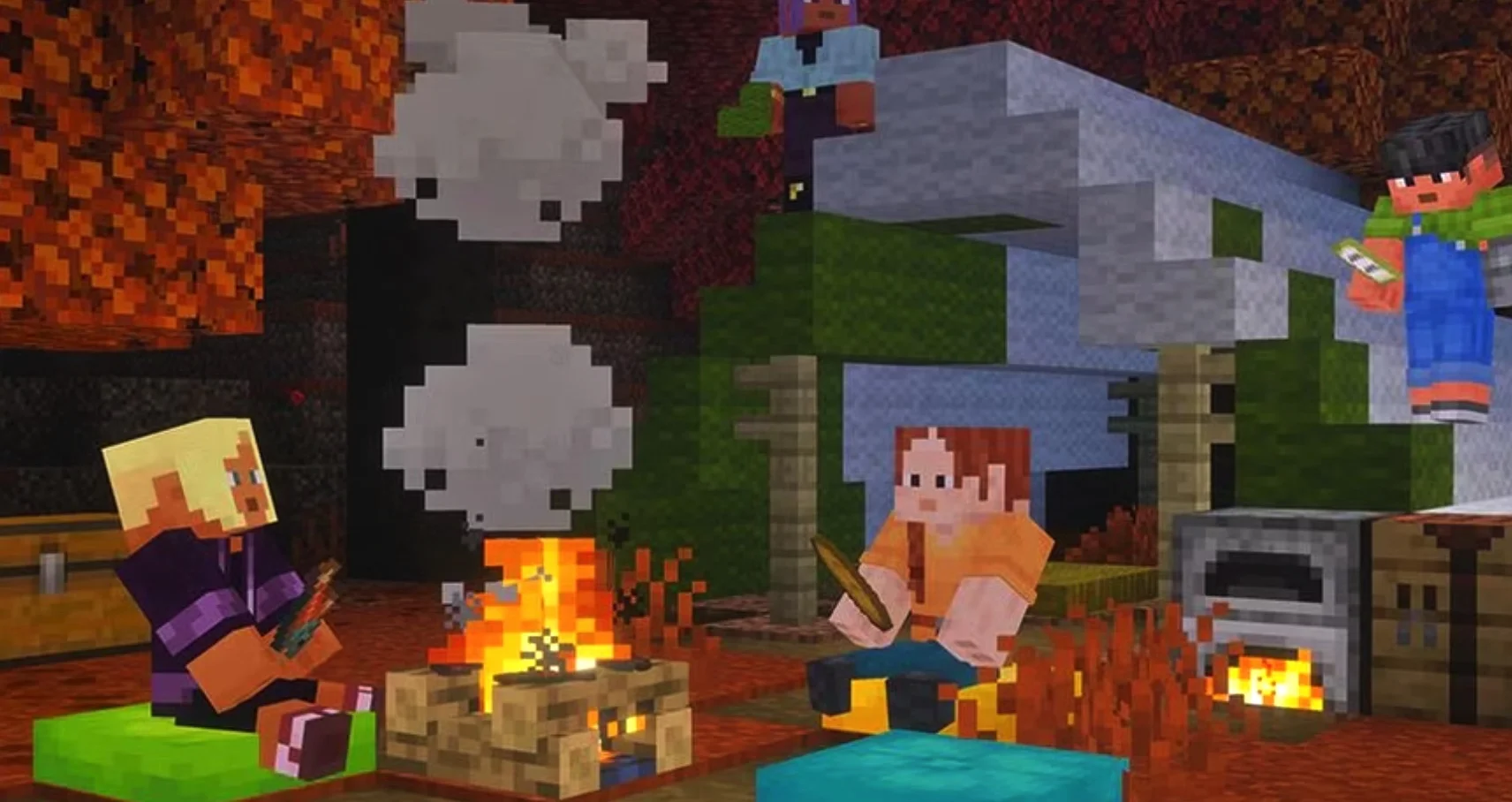
Multiplayer mode can also offer social benefits. Children can divide tasks and work together with peers to achieve building goals, which shares similarities with teamwork in offline activities. Compared to some titles centered on combat, the violent content in Minecraft is relatively limited.
Dr. Tiffany Munzer, a pediatrician at the University of Michigan, notes that games with "open-ended materials" are worth parents' attention. Players can combine scattered materials into new items or structures; this type of gameplay offers opportunities to exercise creativity, visual-spatial skills, and a sense of cooperation, especially when playing with familiar and trusted friends.
However, the benefits of gaming do not mean it should be played without limits. Dr. Cagande warns that any online game can lead to over-engagement, and hours can easily pass by unnoticed. Some children may become particularly fixated, making it difficult to stop, whether voluntarily or when asked by parents.
Prolonged immersion in digital games can also crowd out time for running, jumping, and physical exercise. Dr. Munzer believes that if this situation persists long-term, the risk of future cardiometabolic health issues in children is also a concern.
The online environment also requires parental oversight. When playing online, children may not know who is on the other side of the screen; therefore, attention should be paid to account privacy, friend permissions, and communication boundaries. Although gaming platforms have measures in place for player safety, family supervision remains indispensable.
Playing games before bedtime is another common issue. Bright screens and continuous interaction can interfere with falling asleep; if online entertainment gradually replaces face-to-face interaction, some children's opportunities for social practice may also decrease.
Therefore, the point is not to completely exclude screens from life, but to set clear boundaries. Gaming time should be balanced with outdoor activities, exercise, reading, family time, and sleep, ensuring that none of these are consistently crowded out.
Parents can watch for several signs of excessive use: obvious irritability or defiance when asked to put the screen away; an inability to stop playing on their own; frequent family conflicts over continuing to play; and a noticeable decrease in real-life interactions with friends and family compared to the past.
Doctors can also discuss a child's digital life with families during routine check-ups. The "5Cs" approach proposed by the American Academy of Pediatrics—focusing on the Child, Content, Calming, Crowding out, and Communication—can serve as a framework for family discussions on screen use. American Academy of Pediatrics 5Cs of Media Use
Different children react to games in different ways. Children with stronger visual-spatial skills may be more easily attracted to building and puzzle-solving; the sense of achievement brought by instant feedback can also cause some children to quickly enter a state of high focus, which in turn makes it harder to stop playing.
Content selection can be more discerning. Titles better suited for children typically encourage creativity, open-ended exploration, friendly interaction, and collaboration, and allow them to bring the skills practiced in the game back into real-life activities.
Game screens can sometimes help calm a child down, but they should not be the only way to soothe them. Children also need to learn to regulate their emotions through exercise, reading, talking, breathing exercises, or other methods; parents can also agree on media usage times in advance, rather than using screens as a quick fix after every emotional outburst.
Parent-child communication is especially important. Playing with your child for a while and asking what they are building, why they are doing it, and who they are playing with is often more effective for understanding the true situation than simply checking screen time.
Ultimately, what is worth preserving are digital experiences that spark curiosity, creativity, and a sense of cooperation; games and designs that are overly commercialized, contain intense violence, force children to interact with strangers, or frequently trigger family conflicts should be avoided as much as possible.