Discord False Ban Controversy Expands: Minecraft Screenshots Misidentified by Safety System, ~8,400 Accounts Restored
Discord has recently restored a batch of accounts that were incorrectly banned. According to an official statement, approximately 8,200 accounts were affected between May 2026 and last week, with another 200 accounts impacted by the same issue over the past weekend. This brings the total number of accounts affected by the false bans to approximately 8,400.
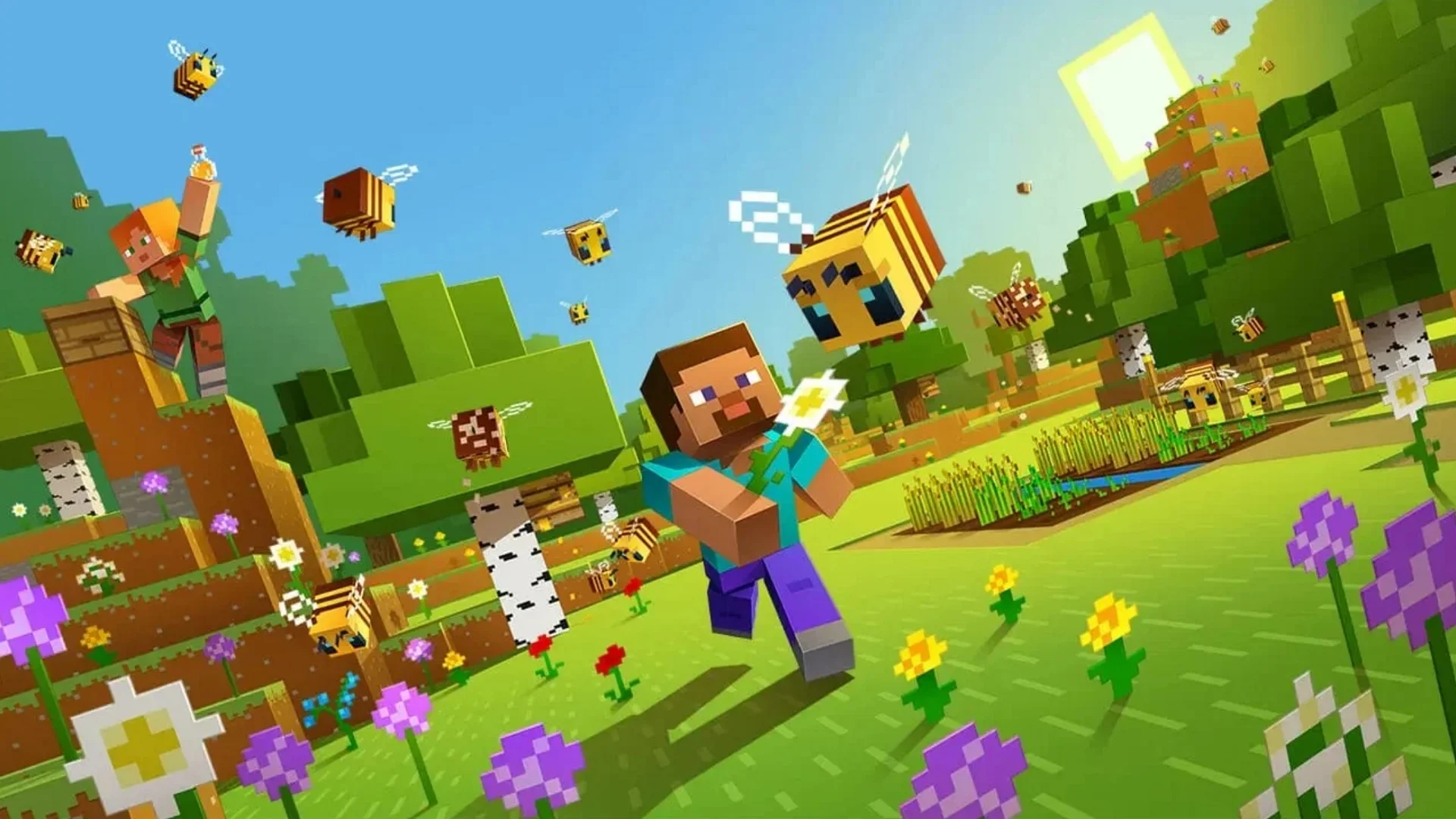
The incident initially escalated rapidly within the gaming community. Numerous users reported that they were banned for "child safety" violations despite only sending ordinary images. Minecraft players were particularly affected, as screenshots of in-game inventories, chests, and backpacks often feature structured grid patterns.
After the issue gained attention, users dubbed it a "grid pattern misidentification" within Discord's safety system. Content such as Minecraft inventories, spreadsheets, chessboards, transparent background checkerboards, and game textures were identified by some users as potential triggers for the false positives. Because these images contained no prohibited content, the community raised strong concerns regarding Discord's handling of the situation.
Discord subsequently responded, clarifying that the issue was not that these Minecraft screenshots contained illegal content, but rather a misidentification by the safety system while matching against known harmful materials. The platform stated that the system uses similarity matching to identify risky content, a mechanism that can occasionally produce false positives. Under normal procedures, flagged content should first undergo manual review, and while upload privileges might be temporarily suspended, accounts should not be directly banned.
The large-scale impact was caused by a flaw in the subsequent process. Discord stated that the system incorrectly banned some accounts; even after staff completed reviews and confirmed the accounts were in good standing, the same flaw prevented the ban status from being automatically lifted, leaving the accounts permanently suspended.
According to Discord, the accounts affected by this flaw have now been restored. The platform also stated that it would improve relevant protective measures to prevent similar issues from occurring silently in the background and will continue to adjust its safety system to reduce the likelihood of innocent users being penalized.
However, some users remain dissatisfied with this explanation. Some argue that labeling the issue simply as a "flaw" does not adequately account for the losses caused by sudden account bans. For many players, guilds, developers, and community managers, Discord is more than just a chat tool—it holds long-term contacts, servers, and project collaboration records.
This controversy has once again placed the Minecraft community at the center of a debate. Within just two weeks, external discussions surrounding Minecraft have intensified: first, the ESA made harsh claims labeling private Minecraft servers as "illegal" and "black markets," sparking backlash from players and the server community; this was followed by the incident where Discord misidentified Minecraft grid screenshots as high-risk content. For ordinary players, while these controversies do not originate from the game itself, they directly impact their daily experience of sharing, communicating, and organizing community activities.
More accurately, the core of this incident is not that "Minecraft screenshots are problematic," but rather that when platform-level safety systems encounter misidentifications and process flaws while identifying high-risk content, ordinary users may face consequences without any warning. While child safety protection must certainly be strict, when automated identification, similarity matching, and manual review processes are not reliably integrated, collateral damage can be amplified into a crisis of public trust.