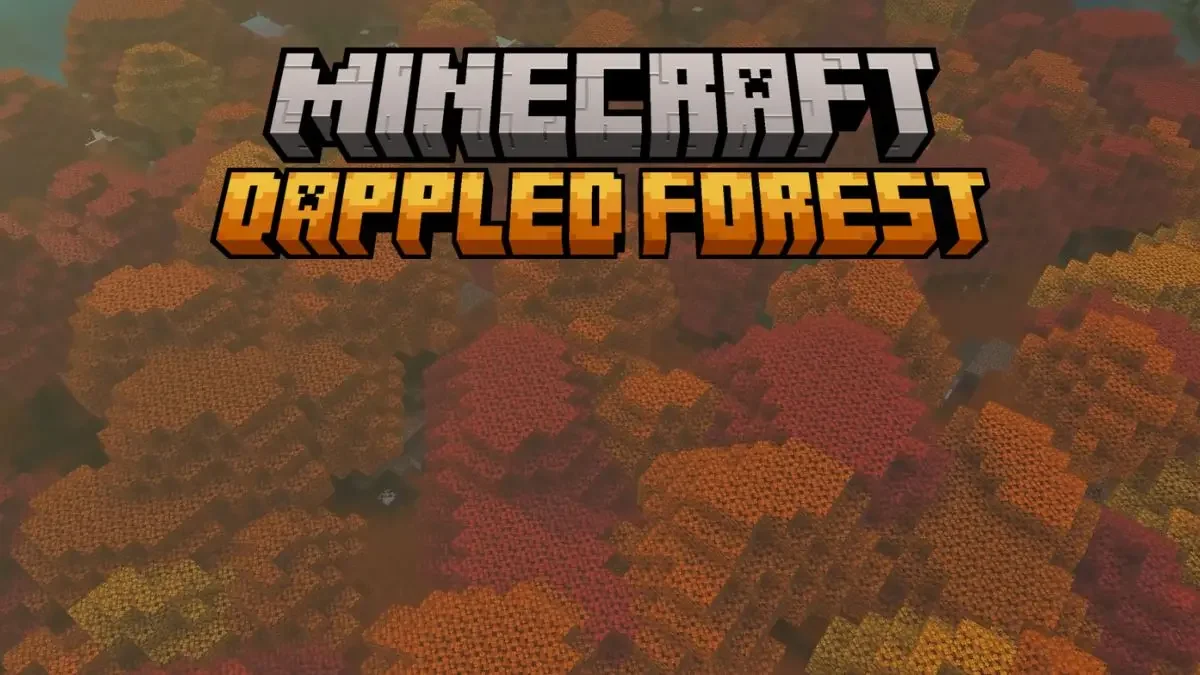
The most eye-catching feature of Minecraft's upcoming autumn update is undoubtedly the "Dappled Forest." This area is filled with colorful poplar trees, mysterious abandoned camps, red shrubs, and other decorative items, along with unique shelf mushrooms. If you are looking forward to spending a cozy afternoon in the game with an autumnal atmosphere, the Dappled Forest will definitely be your top choice. Through this guide, you will gain a comprehensive understanding of this new biome, where it generates, and the various unique landscapes within it.
What is a Dappled Forest in Minecraft?
The Minecraft Dappled Forest is a brand-new cool forest biome that will officially debut as part of the 2026 autumn update. Unlike traditional forests or taigas, this biome is specifically designed to showcase the warm color palette of autumn. As you traverse through it, the feast of red, orange, and yellow colors creates a unique visual experience never before seen in the game.
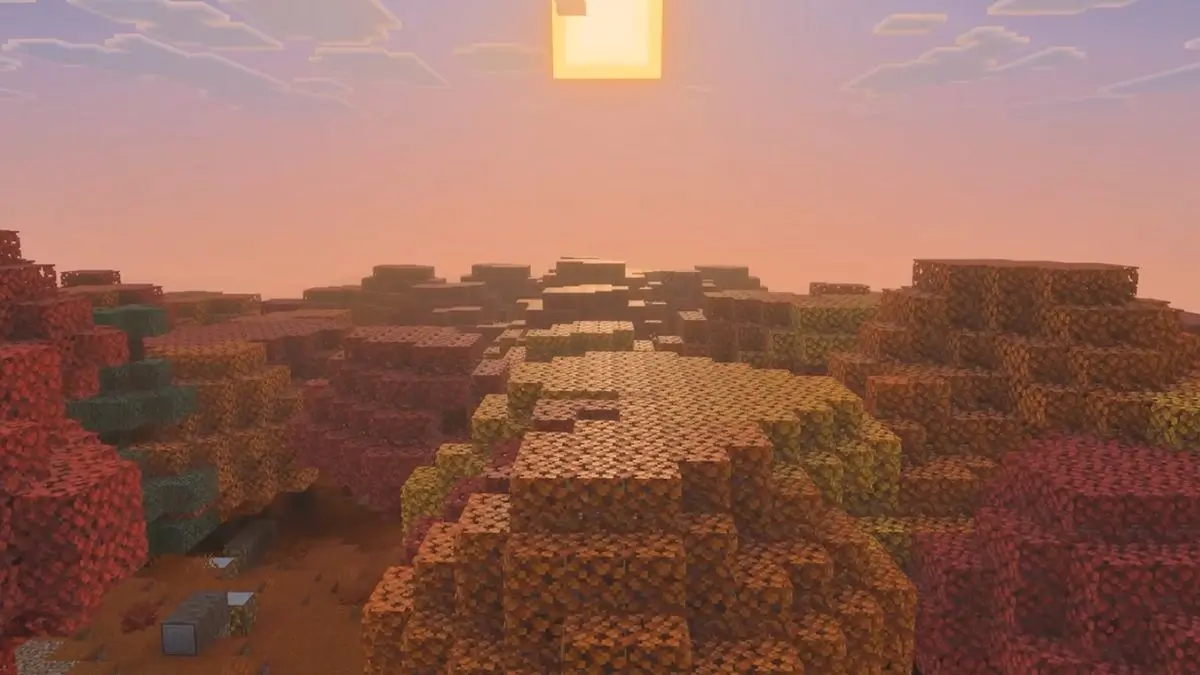
These warm tones primarily stem from the abundance of poplar trees growing in the Dappled Forest. Between the woodlands, you will also find fallen poplar logs, red shrubs, leaf litter, shelf mushrooms, and brown mushrooms; these detailed elements collectively form a vibrant and immersive autumn tapestry.
How to Find a Minecraft Dappled Forest
Regarding the question of "where to find a Dappled Forest in Minecraft," the answer is quite simple: you should search in areas closer to colder biomes rather than traditional temperate forests.
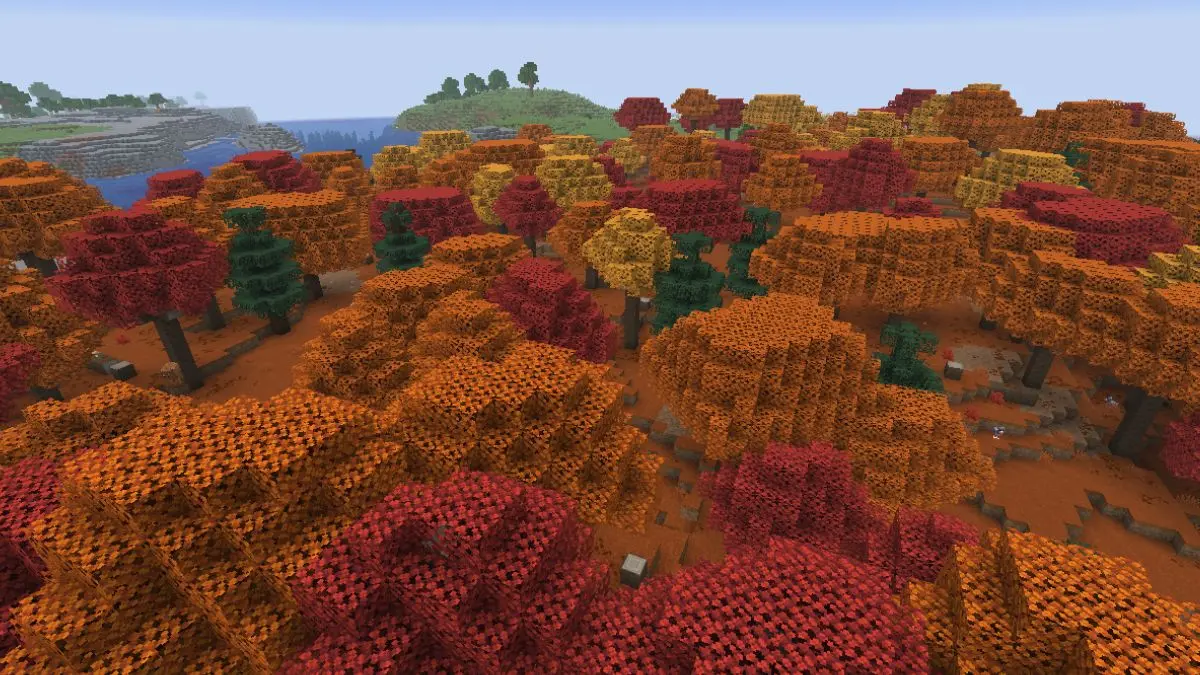
Although the specific world generation rules will continue to be optimized during the testing phase, we recommend that players use Minecraft seed codes to generate worlds in the latest snapshot versions. Then, focus on exploring snowy plains, snowy taigas, ice spikes, and the areas surrounding taiga biomes.
Additionally, you can use Minecraft seed map tools to highlight the aforementioned biomes and quickly locate them based on coordinates. Of course, you can also use Minecraft commands to teleport directly to a Dappled Forest. However, remember to do so when your friends aren't looking to avoid being labeled a "cheater."
Thanks to the bright orange grass blocks and colorful leaves, Dappled Forests are easily identifiable from an aerial view. Therefore, using an Elytra to scout from high above will be more efficient than searching on foot.
Overview of Resources in the Dappled Forest
The Minecraft Dappled Forest brings not only charming scenery but also many exclusive blocks, decorations, and special generated structures. Here is a preview of the core content within this area:
- Poplar Trees
- Fallen Poplar Trees
- Poplar Wood Set
- Red Poplar Leaves
- Orange Poplar Leaves
- Yellow Poplar Leaves
- Shelf Mushrooms
- Red Shrubs
- Brown Mushrooms
- Leaf Litter
- Abandoned Camps
- Cold Variant Animals
- Foxes, Rabbits, and other animals
Each new element makes the Dappled Forest appear increasingly detailed and realistic. Let's dive into them one by one.
Poplar Trees
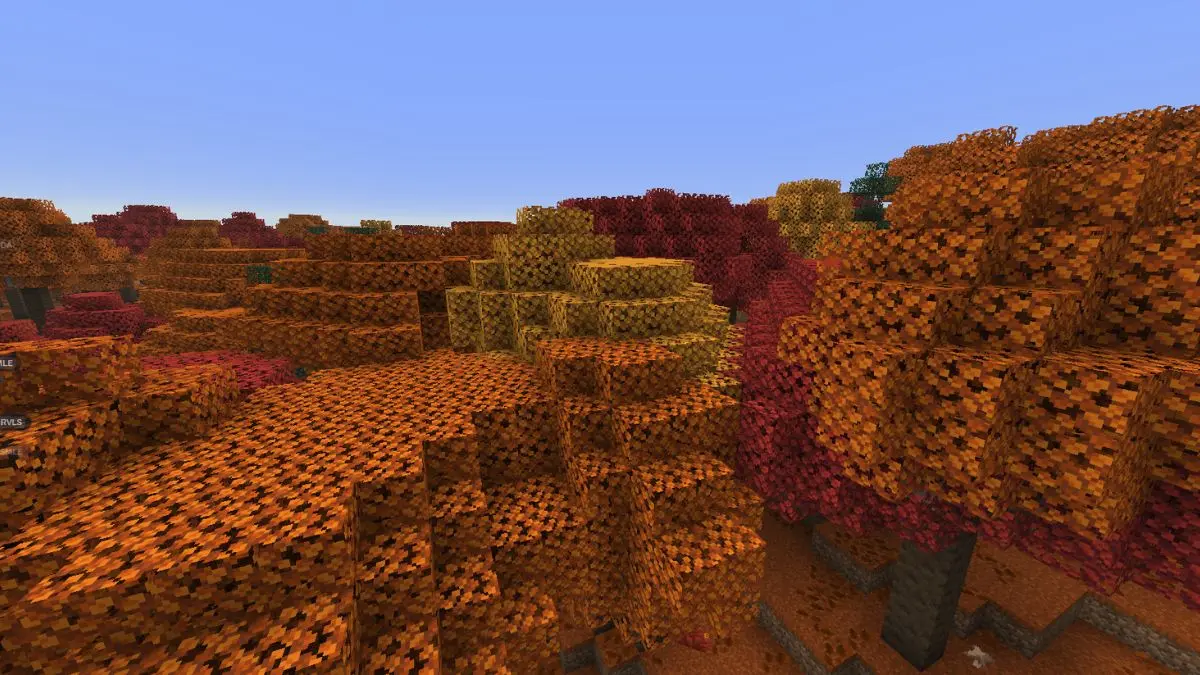
Poplar trees are the highlight of the Dappled Forest and an important part of the biome's vegetation. Unlike other tree species, poplar trees have red, orange, and yellow leaf color variants, each corresponding to the leaves falling in the air—a very well-executed detail.
Although the leaves are colorful, poplar planks present a low-key dark gray. This warm-gray wood material often produces unexpected architectural results when paired with stone, light oak, or other neutral building blocks.
Fallen Poplar Trees
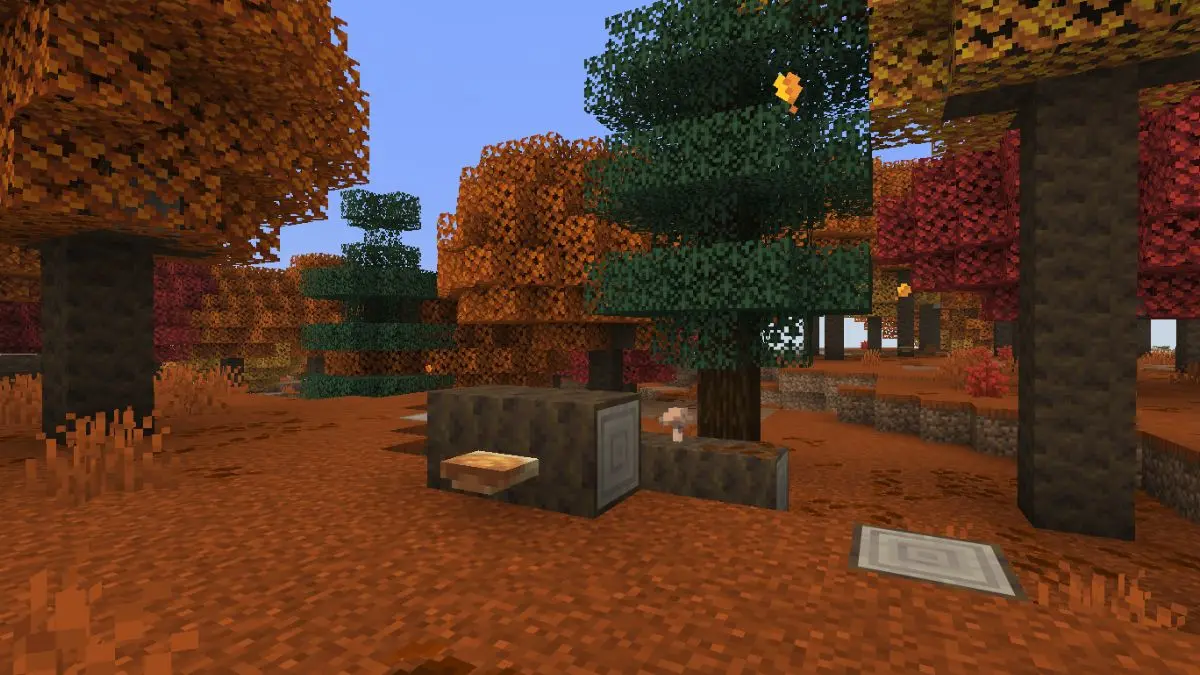
In the Dappled Forest, you can see fallen poplar logs everywhere, which is an important detail for enhancing the aesthetic of the autumn landscape. Compared to flat orange grass, these horizontal trunks make the terrain appear more three-dimensional and varied. Furthermore, many of these fallen trees naturally grow shelf mushrooms.
Shelf Mushrooms
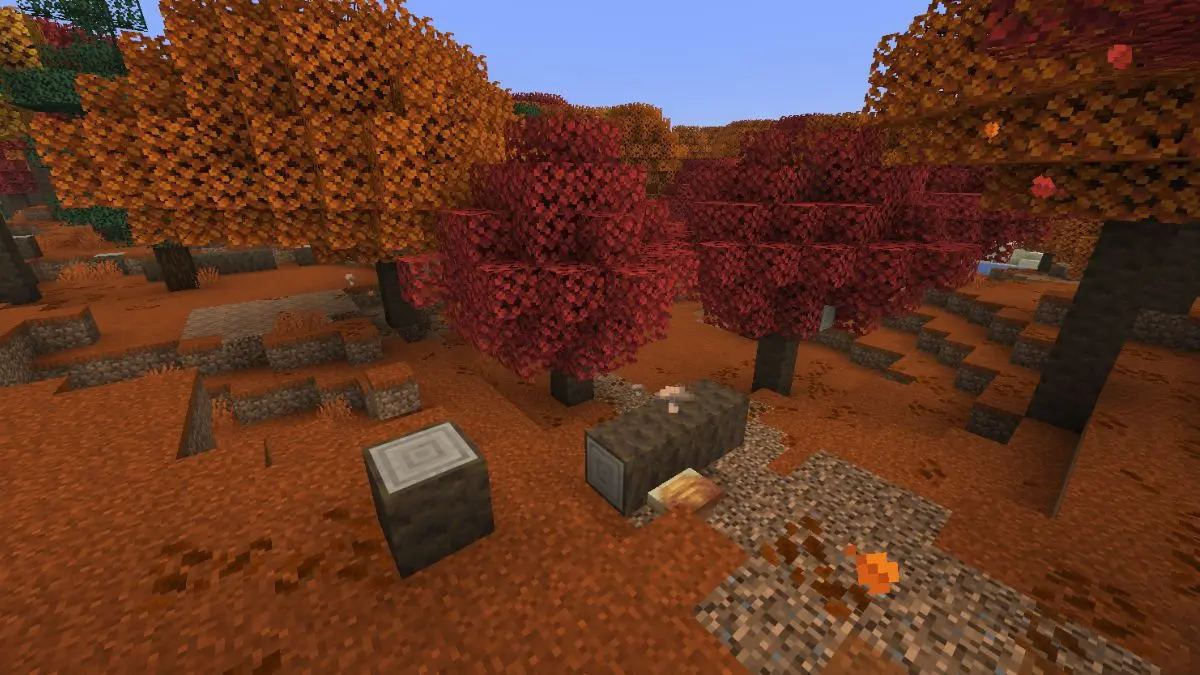
Shelf mushrooms are highly recognizable new organisms in the Minecraft 26.3 update. They not only grow on upright poplar trees but also frequently attach to the surfaces of fallen trunks. These mushrooms come in different sizes, and breaking large shelf mushrooms can yield additional drops.
Red Shrubs
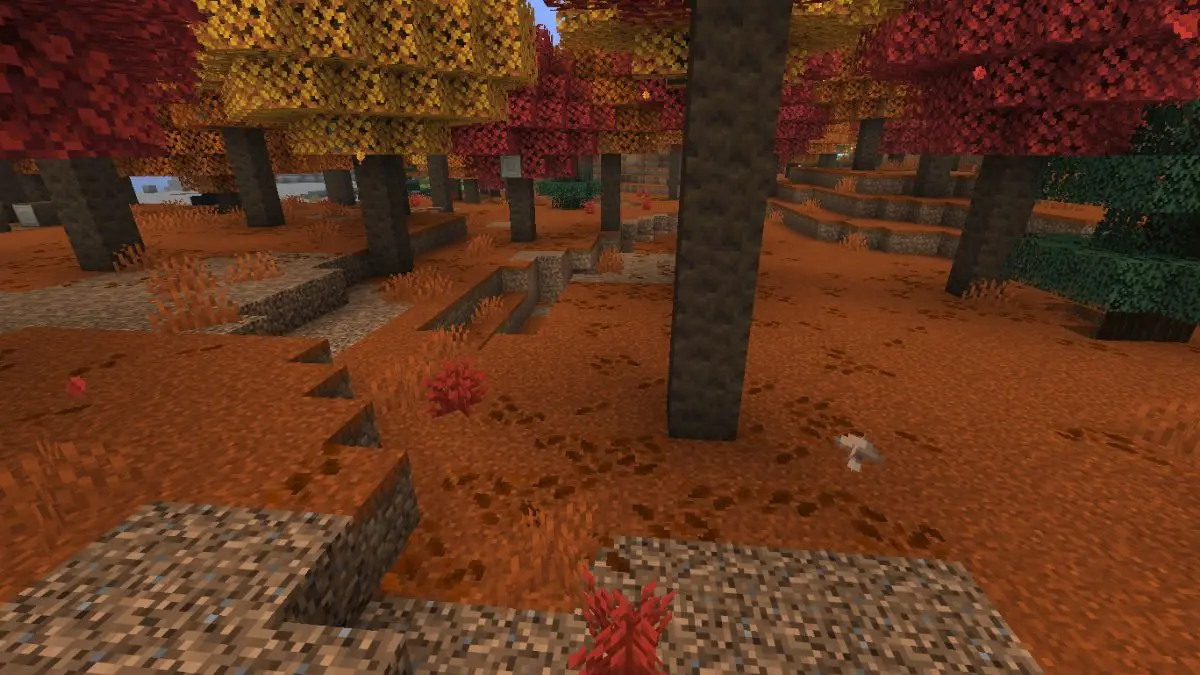
Red shrubs add a bright splash of red to the ground of the Dappled Forest, perfectly echoing the orange grass blocks. Unlike plants that change appearance based on the biome, red shrubs maintain their vibrant color regardless of where they are planted. You can also use bone meal to quickly spread these red shrubs.
Leaf Litter and Brown Mushrooms
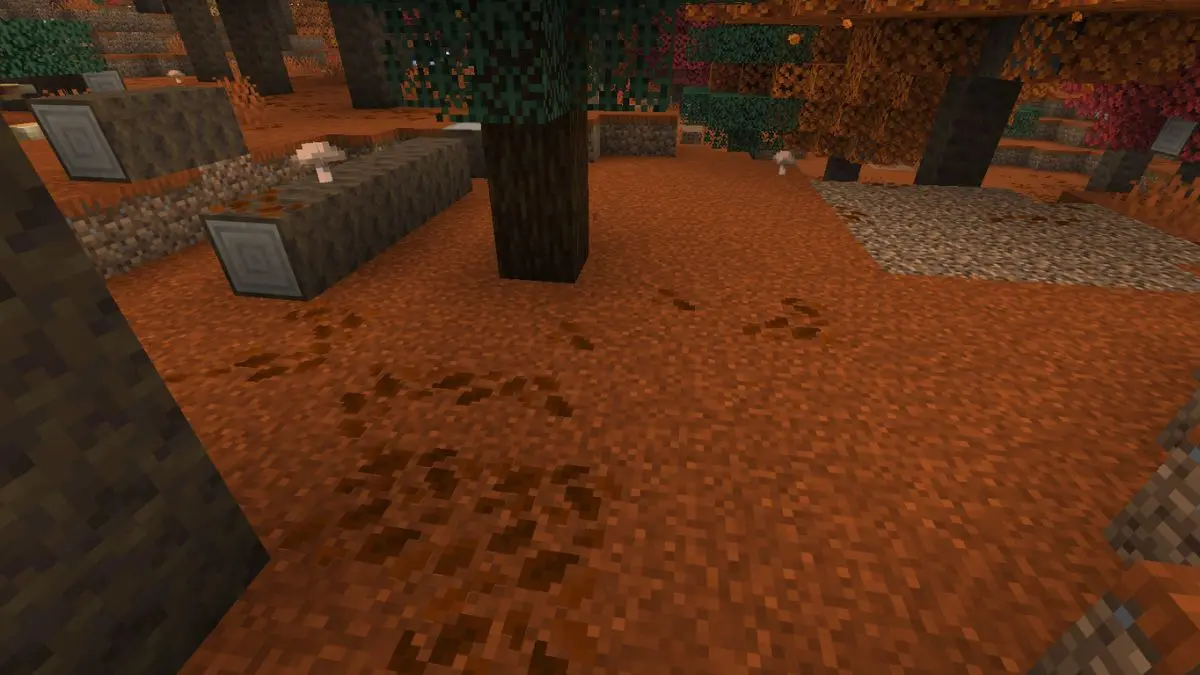
The addition of leaf litter and brown mushrooms makes the Dappled Forest feel full of detail, effectively reinforcing the autumn theme. It is these small surface coverings that give this area a more significant sense of seasonal change compared to other forests.
Abandoned Camps
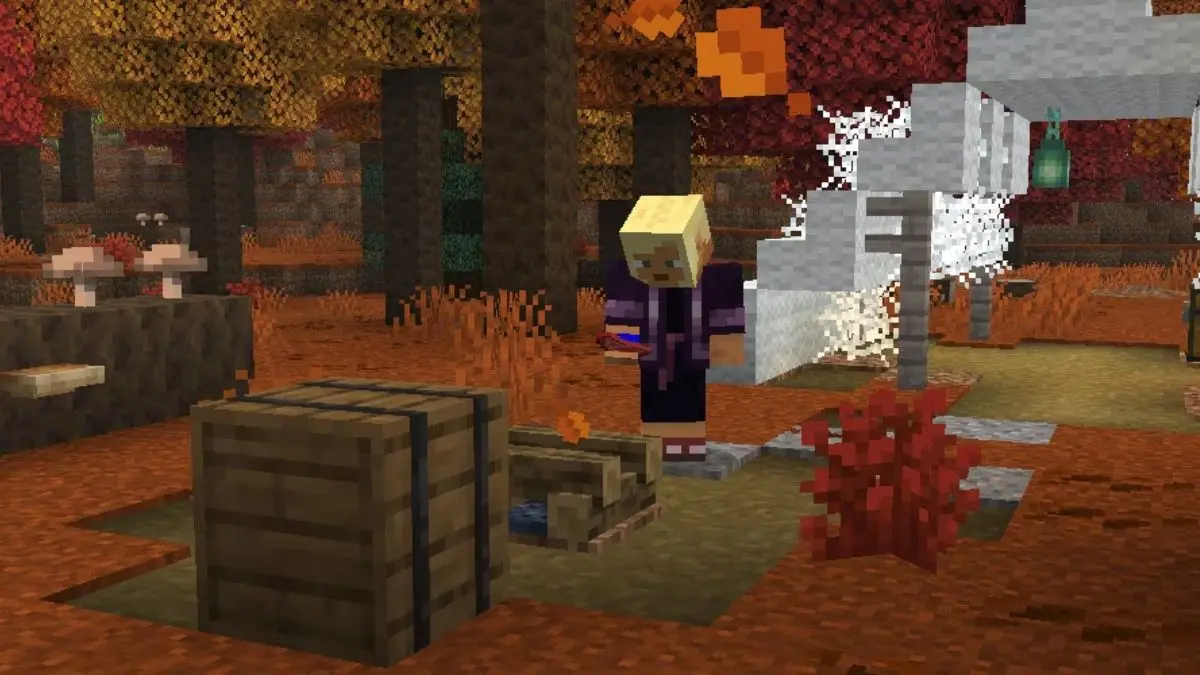
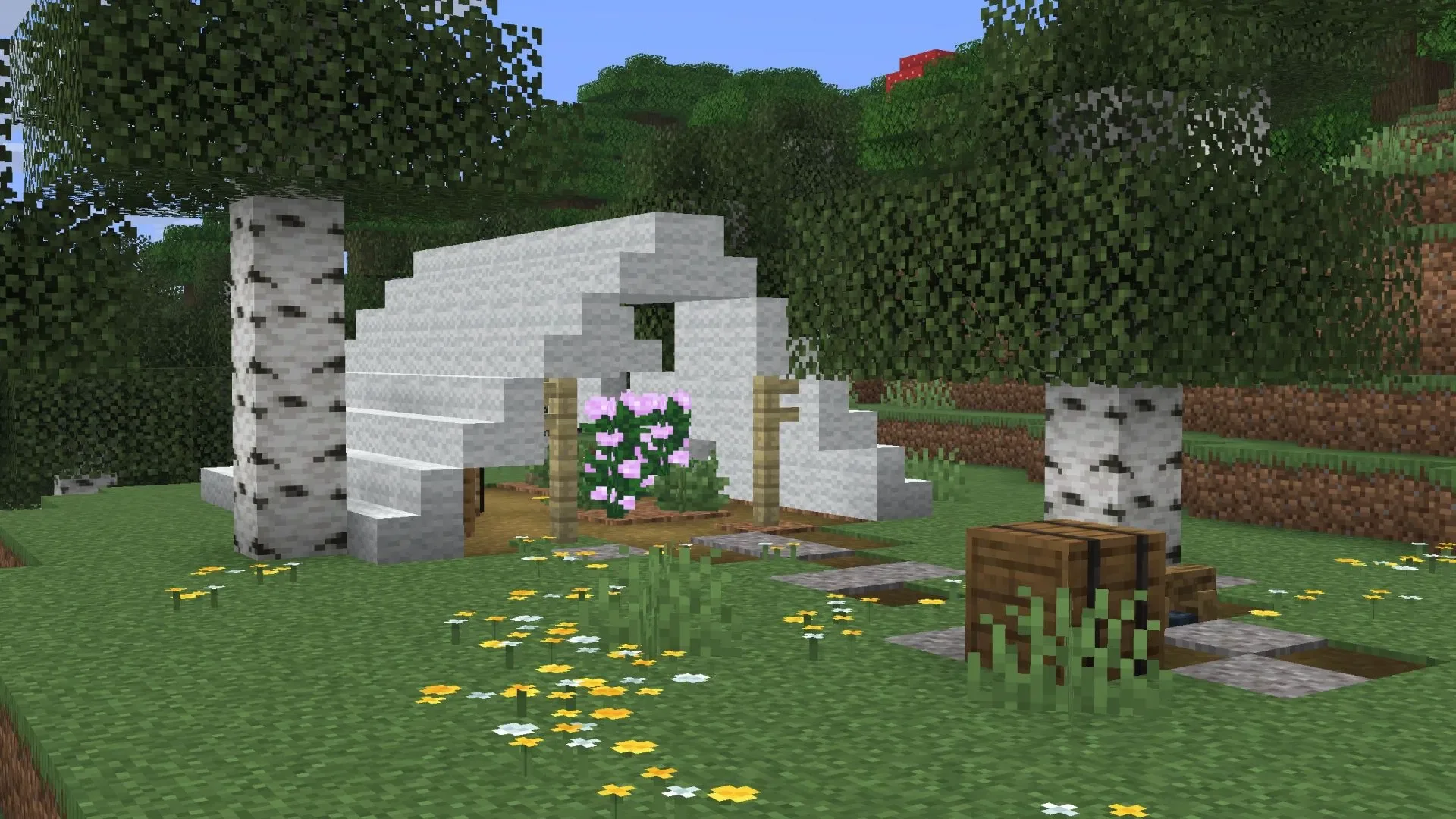
Among all the new content, the most mysterious and widely discussed by the community are the abandoned camps. These small camps scattered throughout the forest seem to tell the story of a previous traveler who once rested here. The camps usually contain tents built from wool stairs and slabs, accompanied by lootable chests and barrels nearby.
Mobs in the Dappled Forest
Although the Dappled Forest does not currently bring any groundbreaking special mobs like those in the "Cube of Chaos" update, it is home to a variety of passive and neutral mobs. Here are the species you can find here:
- Sheep
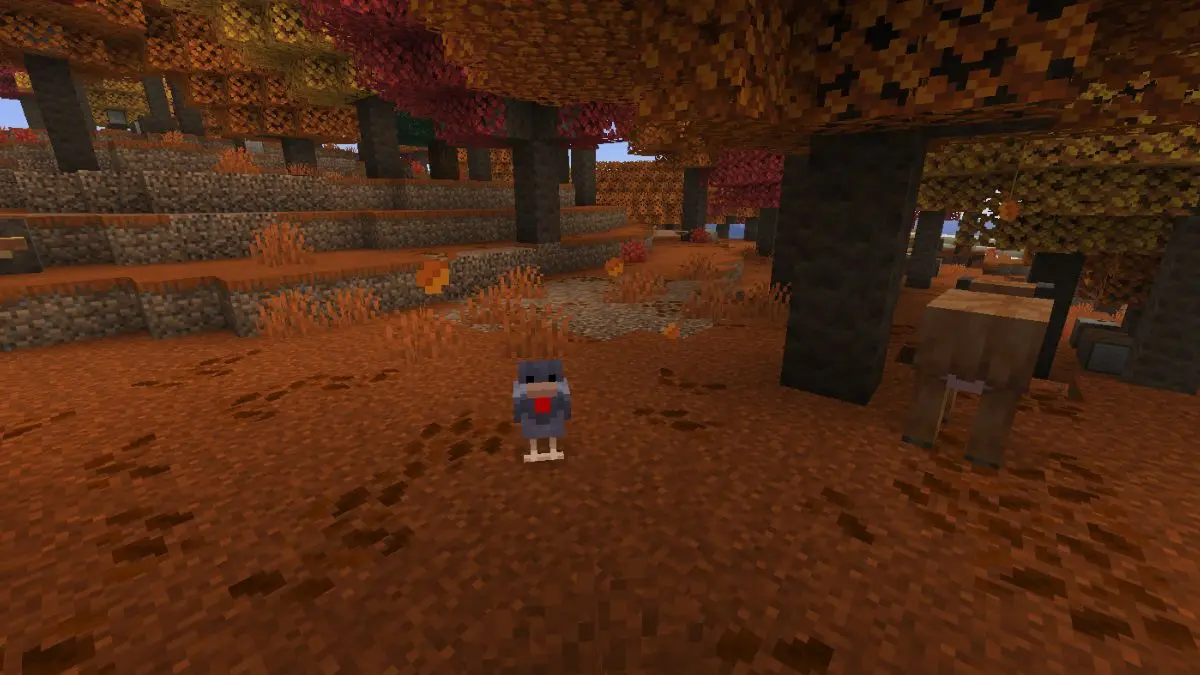
- Cold Variant Chickens
- Cold Variant Cows
- Cold Variant Pigs
- Rabbits
- Foxes
That is all for the Minecraft Dappled Forest. What are your thoughts on this new biome? Do you think it should introduce brand-new exclusive mobs? Feel free to share your views in the comments section.
Where does the Minecraft Dappled Forest generate? The Dappled Forest mainly generates near cold regions of the Overworld, usually distributed around other cold-climate terrains.
What can be found in the Dappled Forest? Here, you can find special variant structures—abandoned camps—as well as unique poplar trees, shelf mushrooms, and red shrubs.
What kind of wood does the Dappled Forest bring? This biome introduces the poplar tree, which comes with a complete wood set, including planks, stairs, slabs, doors, fences, and various other building components.